Upper Watts Branch Stream Restoration Project Named Chesapeake Stormwater Network BUBBA Winner
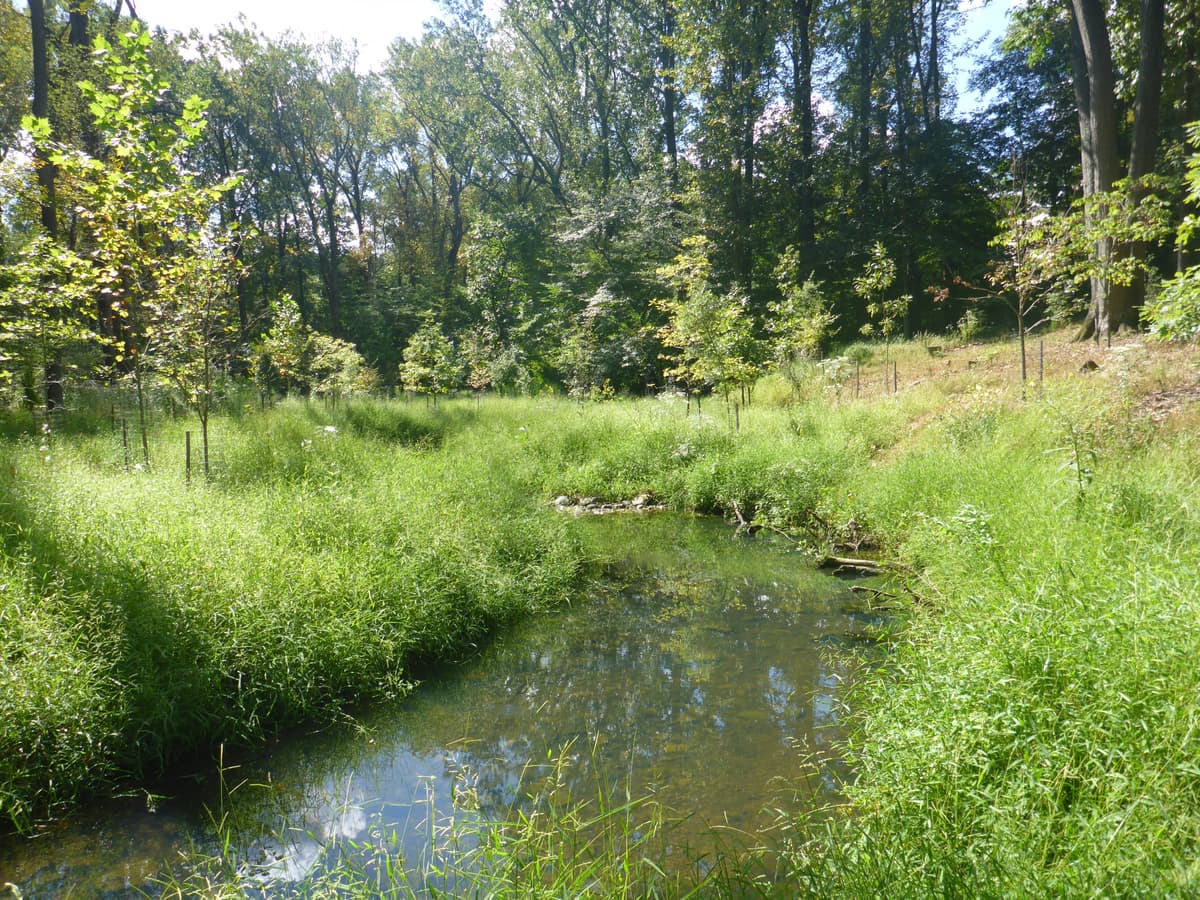
Click the image above to watch a video, a collaboration between Hazen and the City of Rockville, about the Upper Watts Branch Stream Restoration Project.
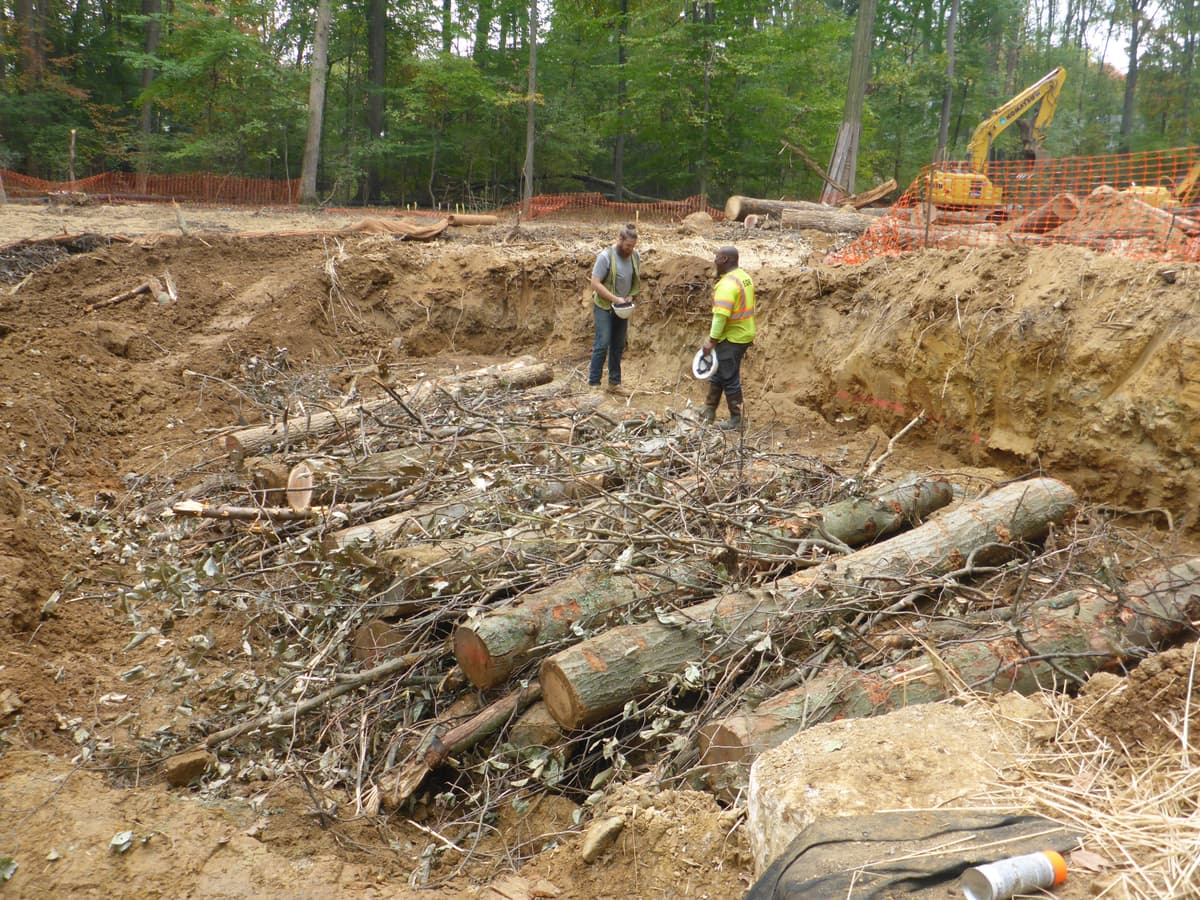
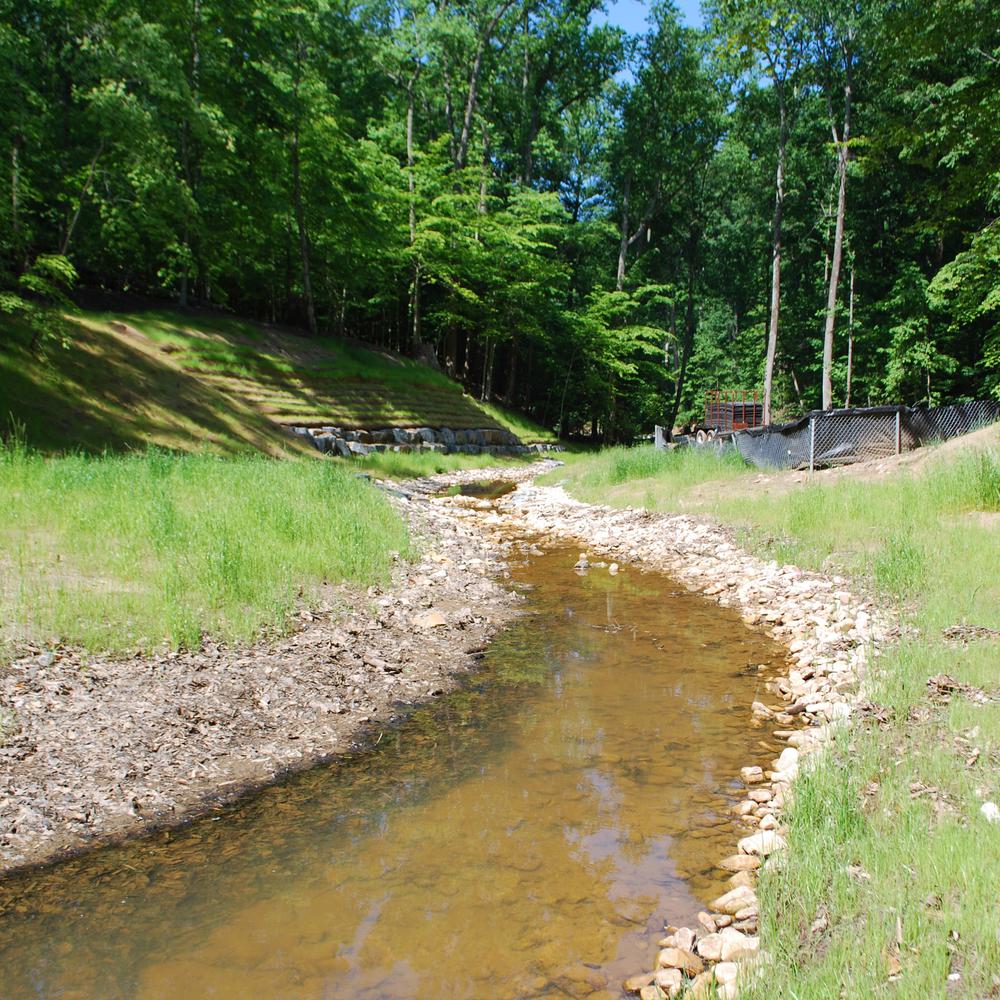
Reuse of naturally occurring on-site resources such as trees and streambed material was maximized to reduce the carbon footprint and environmental impact of the stream restoration project.
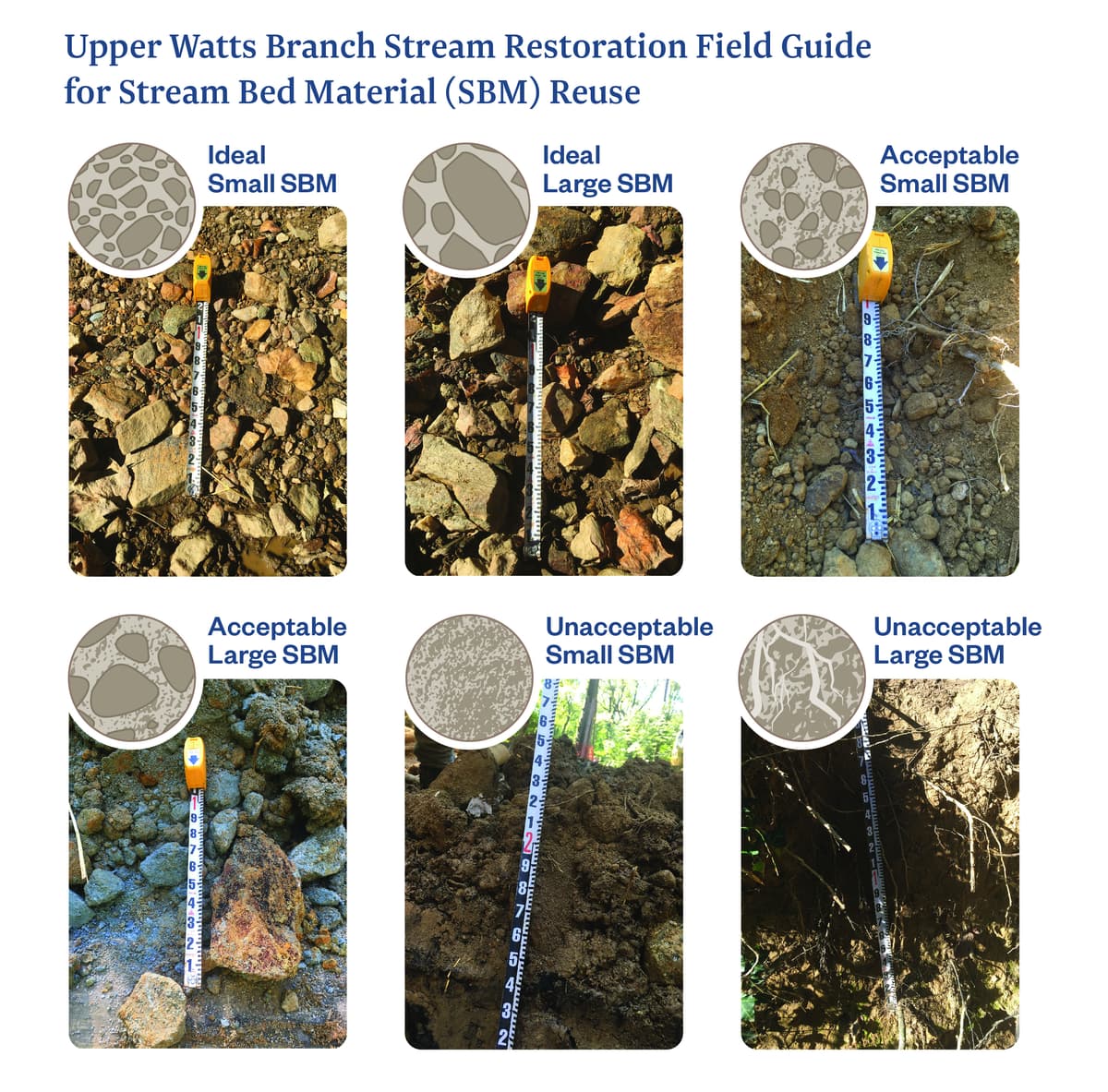
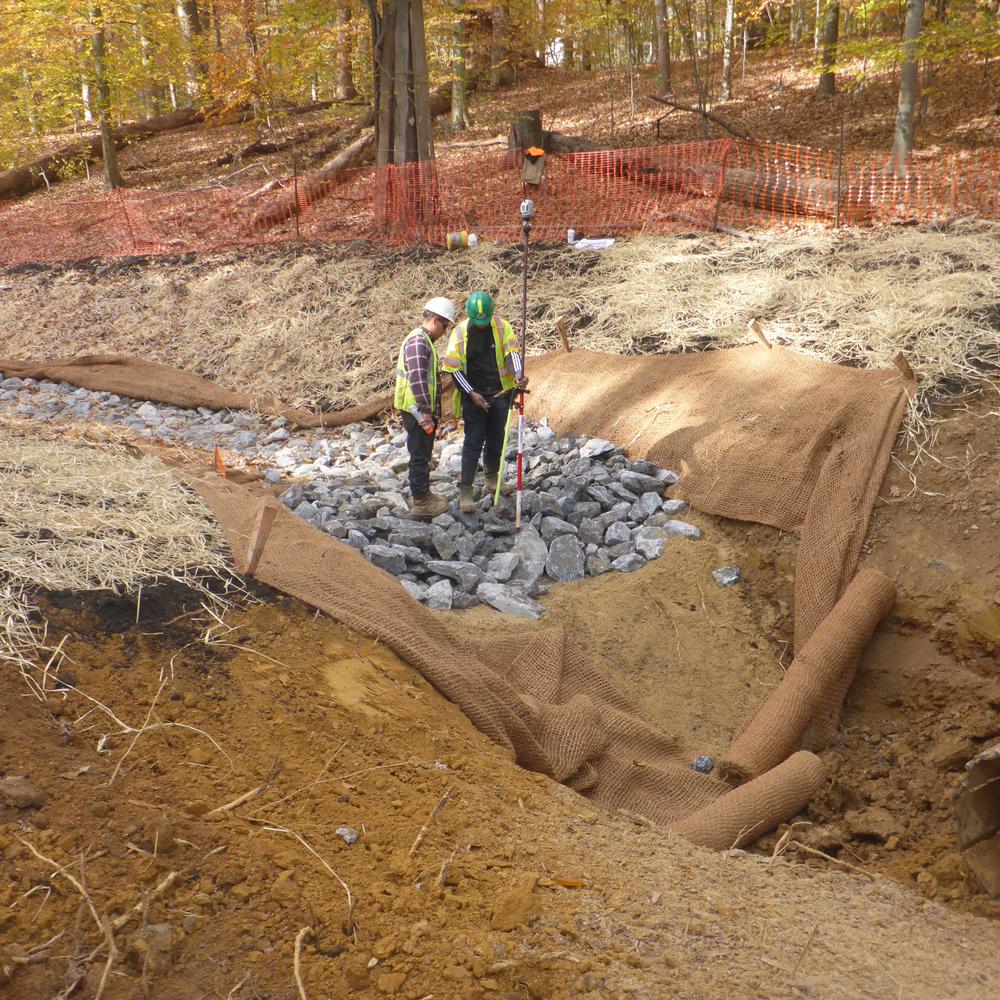
Hazen met with the City Construction Managers and Contractors on-site to identify acceptable streambed material within the existing channel and developed a photo-guide to aid with future identification.
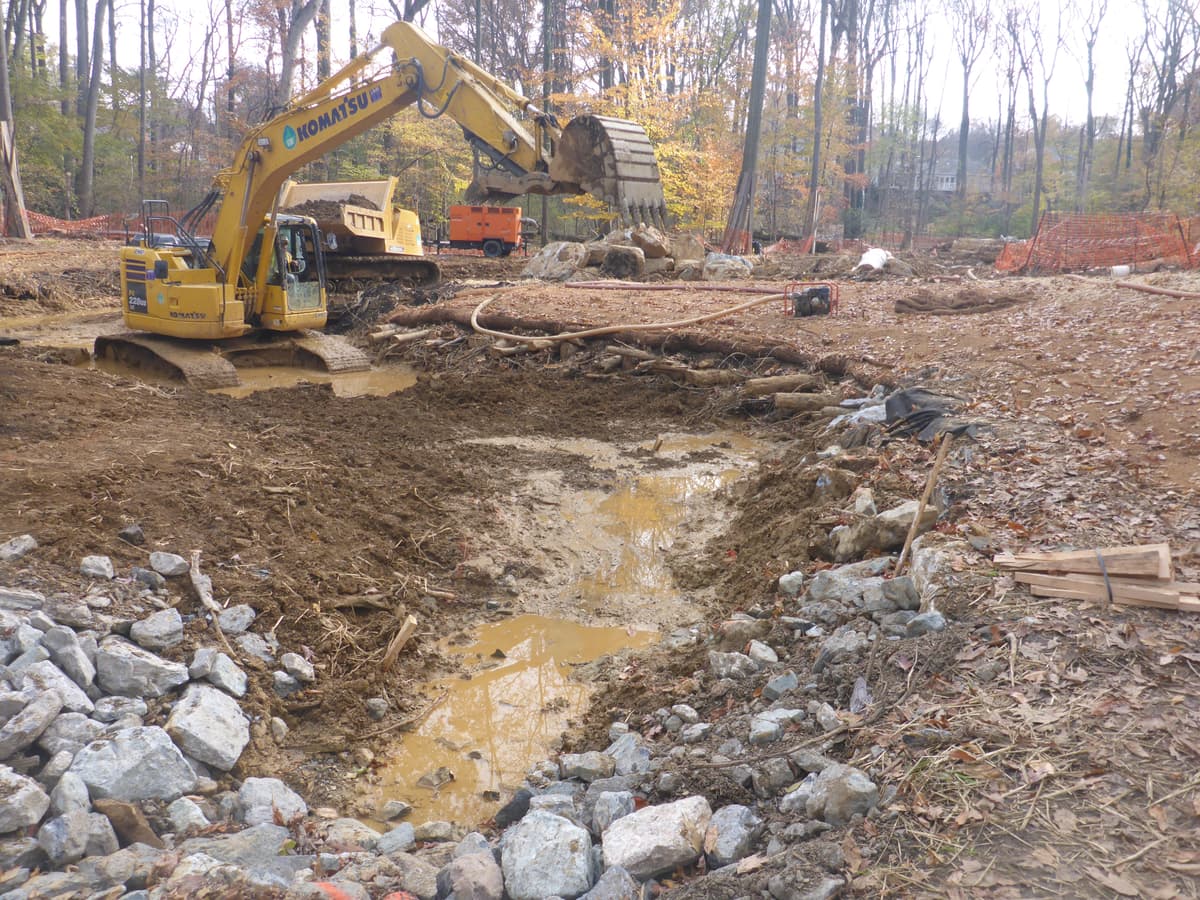
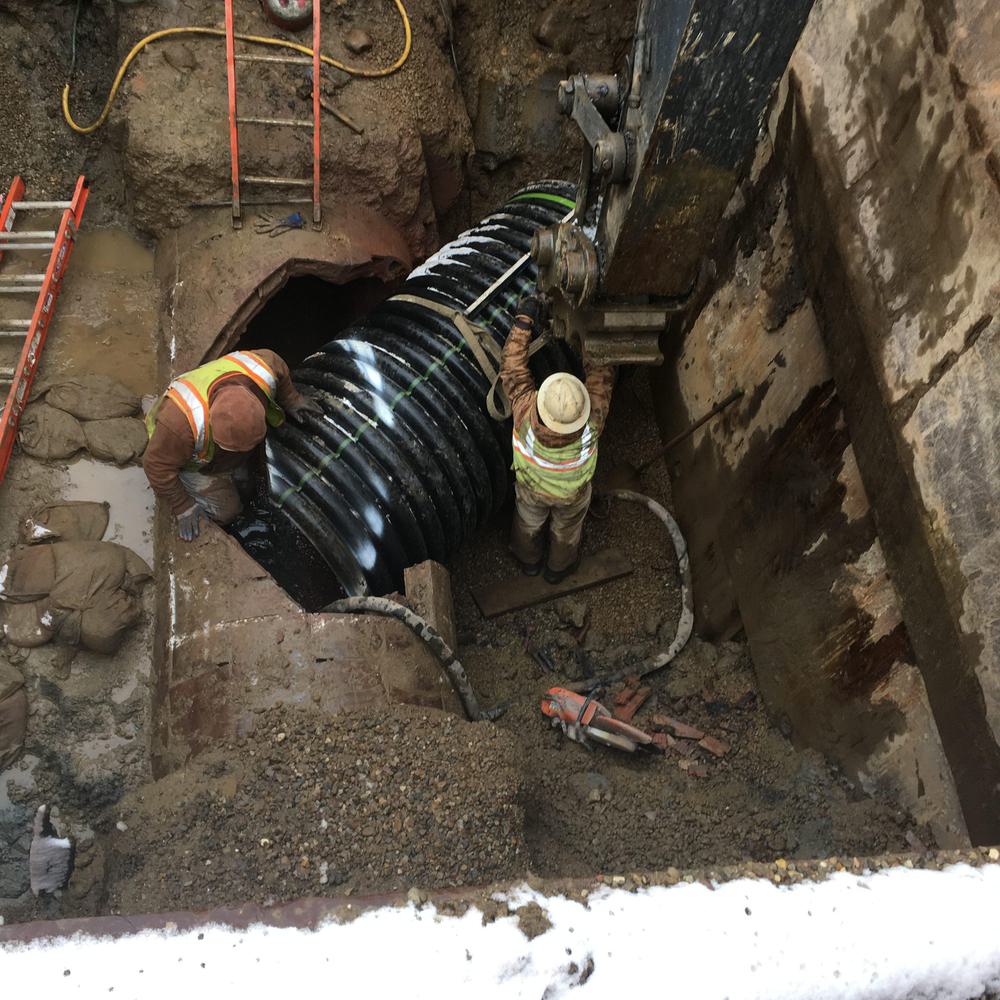
Hazen developed designs for each site to restore stable channel form and function while providing cost-effective long-term protection for existing sanitary, water, and stormwater infrastructure.
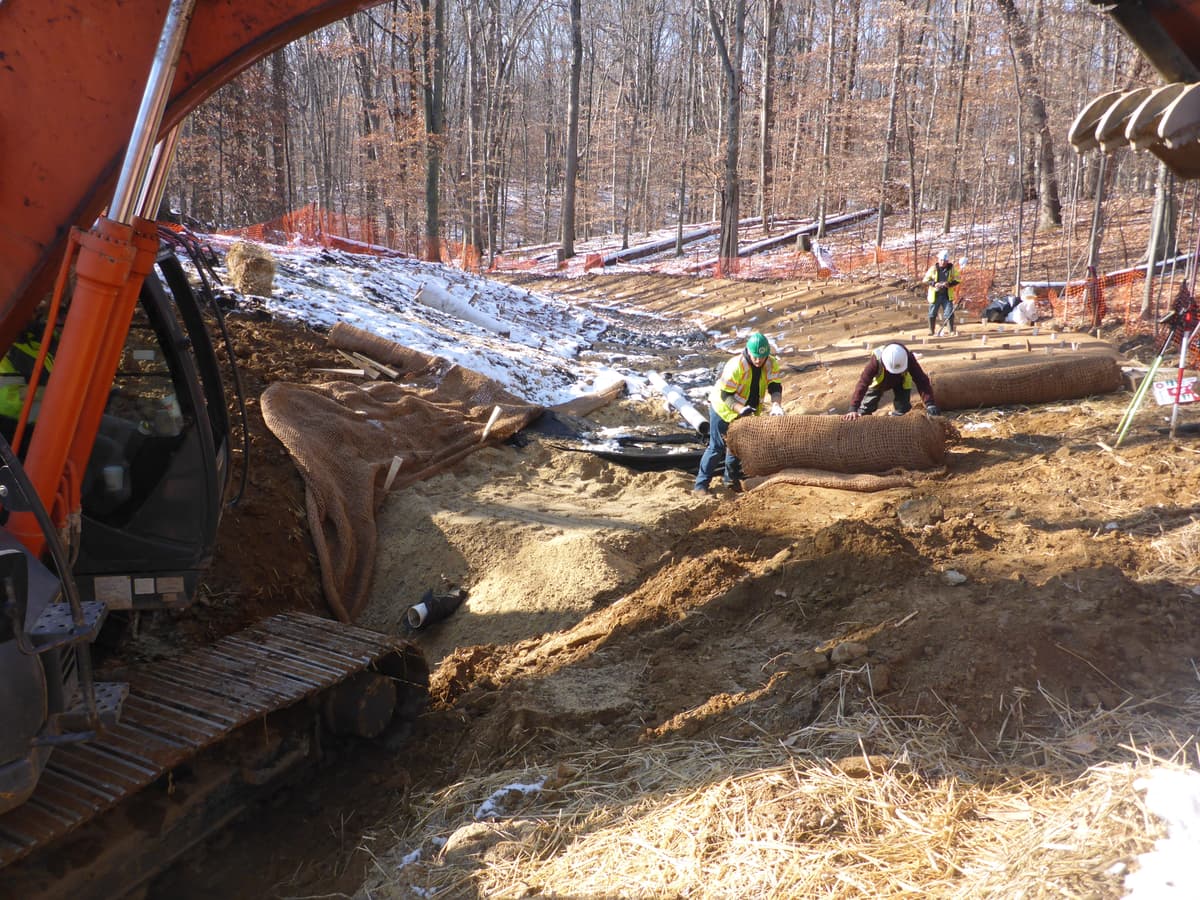
Hazen worked closely with project stakeholders to ensure construction met the design intent, visiting active project areas to review completed work, on-going installations, and discuss scheduled work.
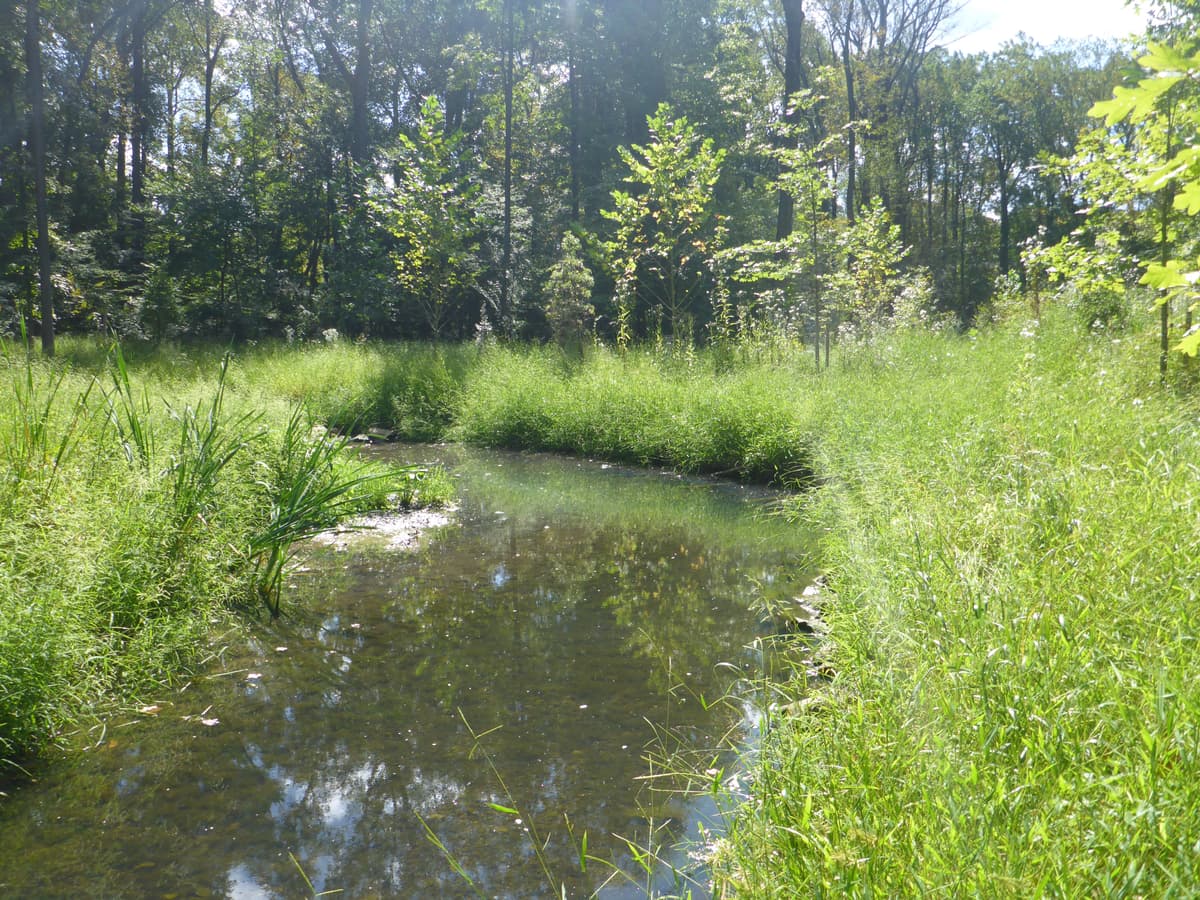
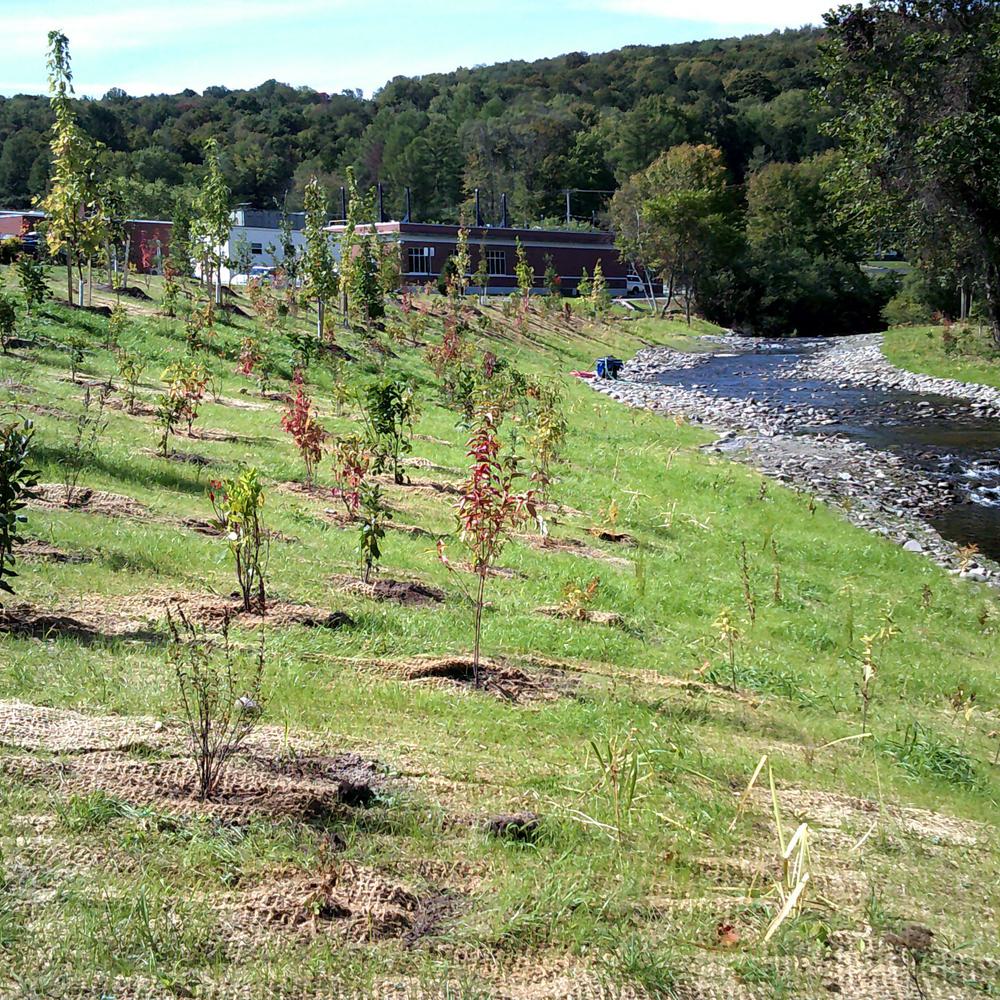
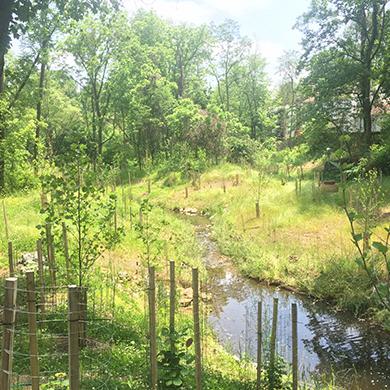
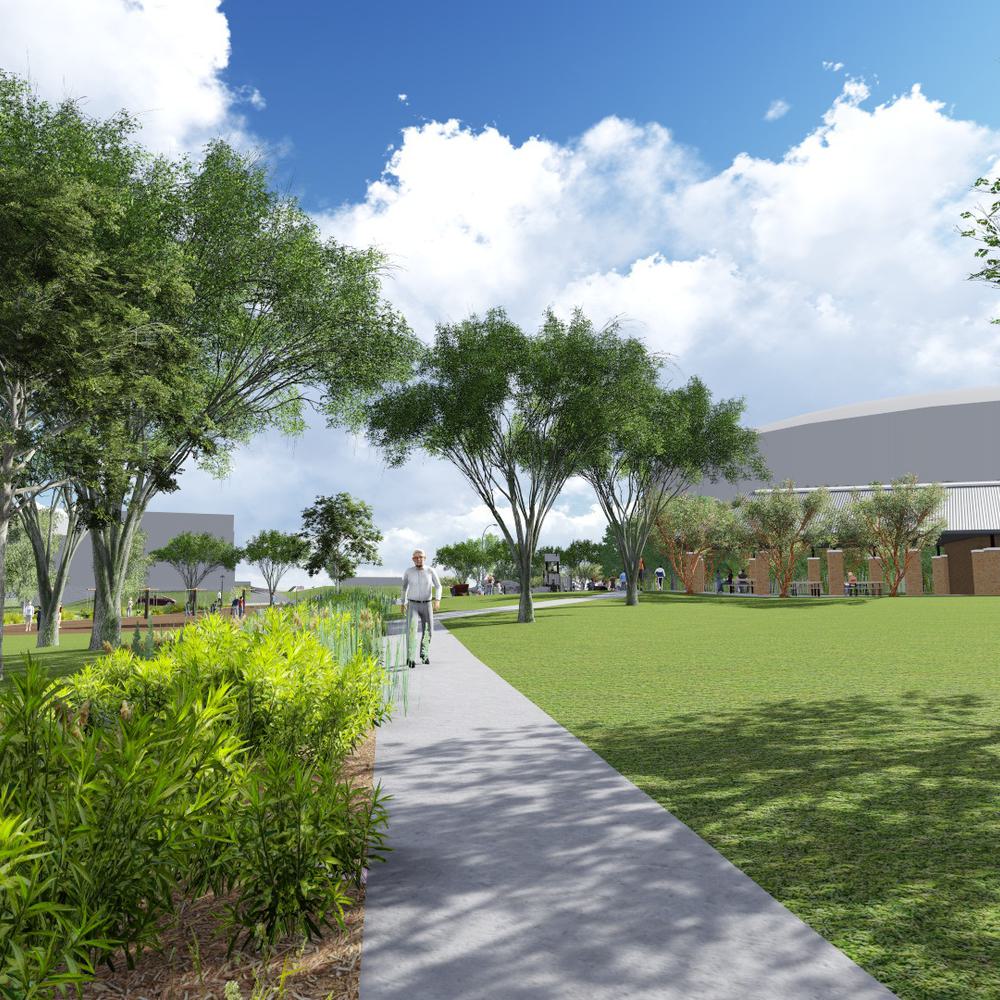
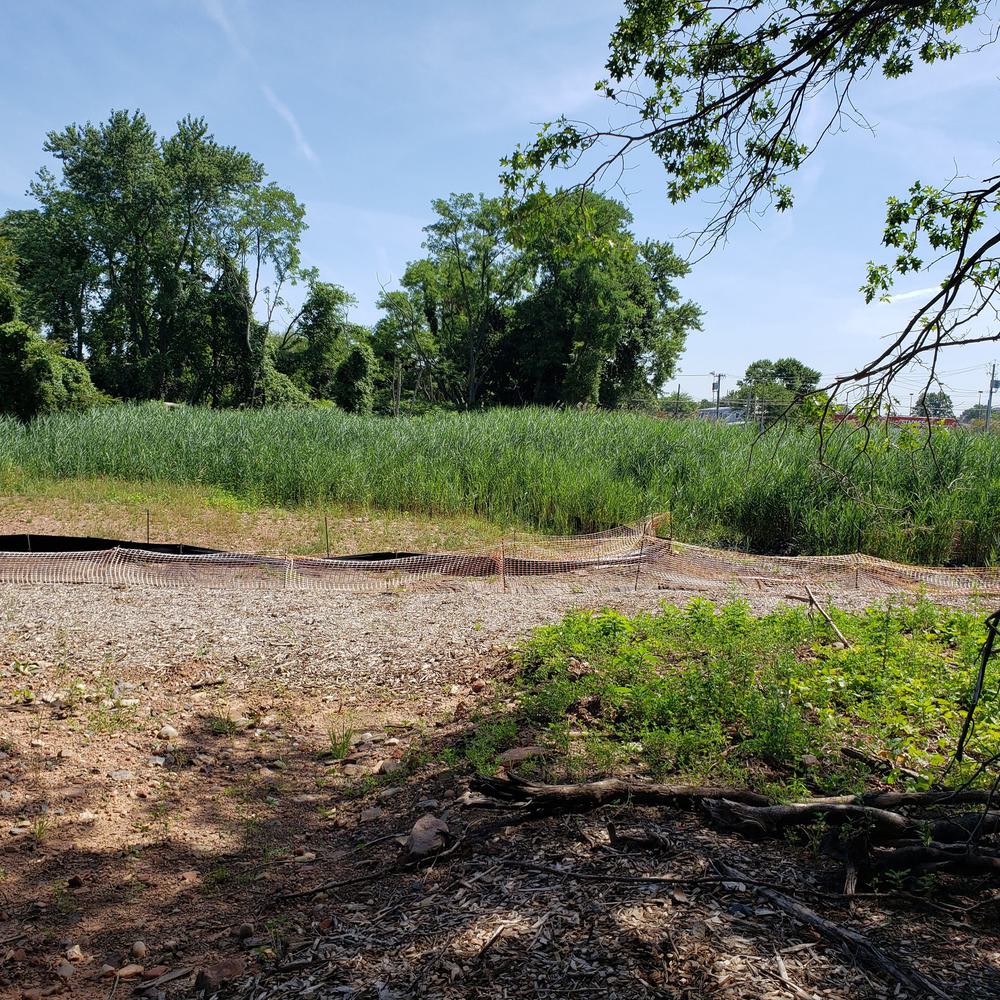
Extensive planting plans were created for each project area. Site visit 1.5-year post construction documented stable stream conditions as well as flourishing vegetation establishment.
(BALTIMORE, MD - March 11, 2021) - The City of Rockville Upper Watts Branch Project was recently awarded second place in the Stream Restoration category at the 2021 Chesapeake Stormwater Network’s Best Urban BMP in the Bay (BUBBA) Awards.
The BUBBA Stream Restoration awards recognize outstanding projects in the stream corridor that are explicitly designed to enhance the function, stability, and ecosystem services of an urban stream.
The Upper Watts Branch Stream Restoration Project stood out for its comprehensive approach to stream restoration design, including upland and floodplain conditions. The project also excelled for its community outreach and engagement throughout the project planning phases. To gain buy-in, the City created an interactive taskforce of adjacent neighbors, HOA leaders, City officials, and the Hazen design team. This task force conducted 15 office and 4 field meetings to gain community support. The City set up a “road map” of milestones (e.g., concept development, 30% design) agreeing not to proceed to the next milestone without approval of all taskforce members, thus building trust. In turn, local citizens volunteered site history, identified particular concerns, and measured the “temperature” of public perception. By design completion, the project had 100% taskforce support.
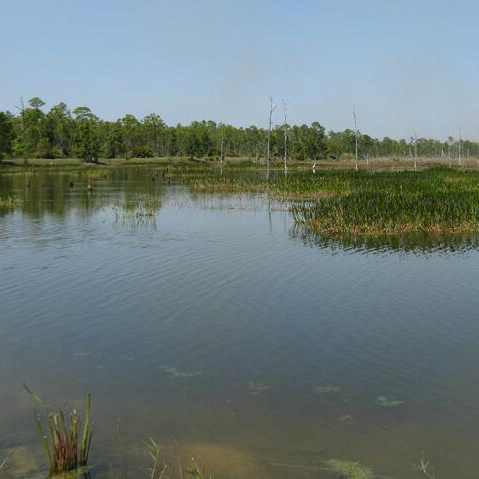
Through a comprehensive site evaluation, the designers identified eight ecological restoration opportunities at the site, and demonstrated why these opportunities were preferential to other upland alternatives. The resulting project reflected an integrated approach, first taking advantage of existing upstream extended detention stormwater management facilities to blunt flood surges. Second, four side swales contributing the largest percentage of eroded soil were stabilized; two of these stabilizations utilized regenerative conveyance to bolster stormwater treatment. The stream restoration approach raised groundwater levels, which enlarged existing fragmented wetlands. Lastly, streamwork was combined with reforestation of 2.5 acres of floodplain previously colonized by Japanese Stiltgrass and Tear Thumb.