New Water Treatment Campus Empowers Sustainable Municipal Growth
How in-depth water quality analysis, adaptable treatment design, and immense stakeholder collaboration are helping the City of Buckeye secure its water future.
At a Glance
- The City of Buckeye in Arizona needed to expand its supply of safe, reliable water to support its fast-paced residential, commercial, and industrial growth.
- Hazen helped the City develop a phased approach to creating the Farallon Water Campus, designing the groundwater treatment plant and constructing initial essential facilities under a tight budget and schedule due to committed water supply agreements.
- A well program helped the project team analyze groundwater quality and identify treatment schemes to provide the greatest initial value to the City and inform future facility decisions.
- The Phase One facilities and foundational data have empowered the City to successfully meet the timely water needs of its customers and prepare for future water demands.
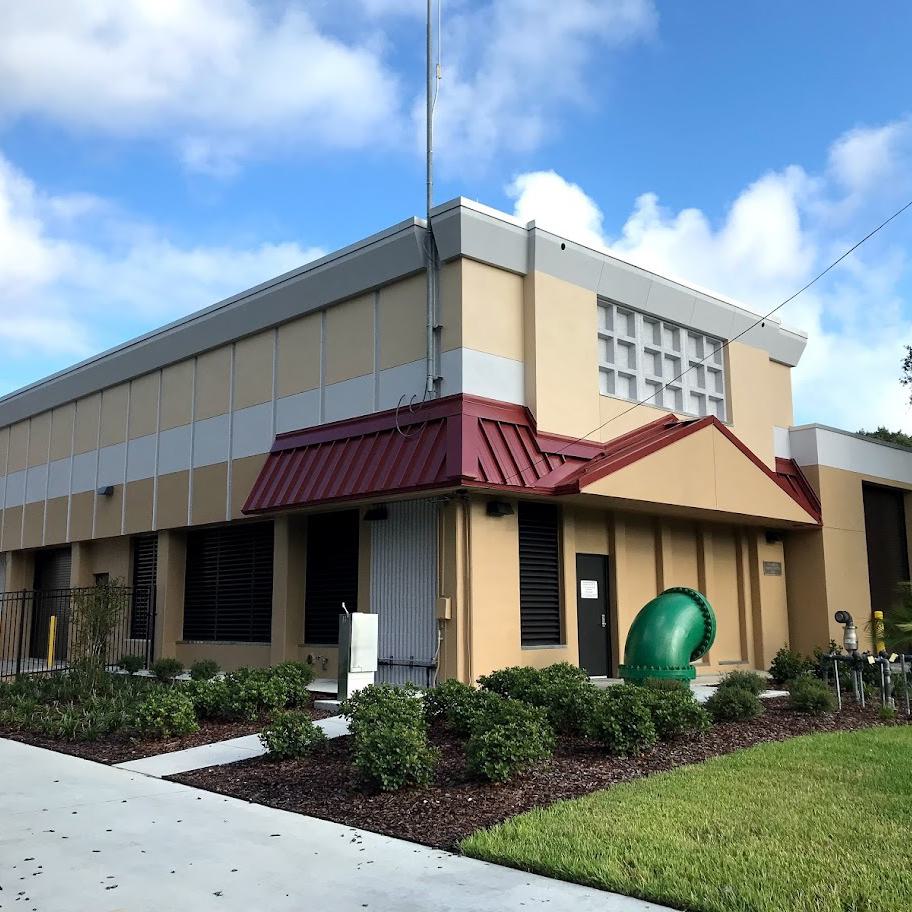
Top Image: The finished site for Phase One of the Farallon Water Campus in Buckeye, AZ. Photo Credit: MGC Contractors, Inc.
In the rapidly expanding Phoenix metropolitan area, Buckeye is a city on the rise. Consistently ranked as one of the fastest growing cities in the United States, this historically agricultural region has experienced a massive population surge since 2000. Commercial and industrial entities have likewise flocked to the area, attracted by its ideal geographic location in Phoenix’s West Valley.
All municipal growth requires water, and ensuring a healthy, reliable, and resilient water supply was essential for Buckeye’s social and economic development to continue. But this presented a complex challenge given the water-stressed state of the region, limited quantity of water supplies, and varying quality of available water.
With further residential, commercial, and industrial developments planned in the 5,000-acre Farallon Water Service Area, the City of Buckeye partnered with Hazen to create the Farallon Water Campus. Throughout the effort, Hazen and the project team found creative solutions to meet the City’s multifaceted needs.
“There were multiple layers of complexity at play in this project,” said Hazen’s Arizona Operations Manager Curt Courter, PE. “Through continuous collaboration, the team was able to help the City deliver a safe water supply to customers while meeting its time and budgetary requirements.”
In April 2026, the Farallon Water Campus was awarded the AZ Water Association’s Water System Project of the Year. View the video below to see the project elements highlighted during the award ceremony.

As Hazen’s Arizona Operations Manager and a senior project manager, Curtis Courter, PE, is responsible for project delivery and overall client service throughout the state.
A Complex Water Supply
To meet urgent developer water needs spurred by Buckeye’s rapid growth, Hazen created a phased approach for the build-out of the campus. One of the foundational elements of Phase One was analyzing the City’s limited groundwater supply, which can include constituents that are often above maximum contaminant levels established by the U.S. Environmental Protection Agency. It can also contain high levels of total dissolved solids.
“This groundwater can be particularly complex to treat, as there are limited technologies available to address some of these constituents,” said Hazen Associate Daniela Panfil.
The team worked with hydrogeology consultant Matrix New World Engineering (Matrix) to develop a well program that would provide clarity on the City’s groundwater makeup and identify new potential well sites or existing wells to be rehabilitated. This analysis identified and provided a roadmap for phased well development that prioritized the highest quality water sources in initial phases to minimize treatment needs—reducing capital and operational costs for the City while meeting water quality requirements.
The well study also highlighted potential future water treatment needs and informed a conceptual treatment design to determine the site plan for the future 16-million-gallons-per-day (mgd) campus. Brine management was identified as a key factor for the team to consider.
“We realized that future iterations of the campus would likely need to include reverse osmosis (RO) treatment, which produces brine,” said Panfil. “Brine can be tricky to manage and dispose of, so we looked into a lot of options, including emerging enhanced brine evaporation technologies, which will be valuable intel for future planning.”
“The project team overcame the inherent challenges associated with our groundwater supplies,” said Eddie Solis, Deputy Director, Water Resources for the City of Buckeye. “They helped us determine what would provide optimal initial value while empowering us to make informed future decisions.”

Using drilling rigs (above left), the team drilled and tested four new boreholes and drew samples (inset right) from five existing wells to analyze groundwater quality, inform immediate influent decisions, and anticipate future treatment needs. Photo Credit: Matrix New World Engineering
Designing for Maximum Flexibility
Balancing the need to meet urgent water requirements while setting the stage for future decisions—all while providing the City with the most value possible—remained a theme as Phase One designs progressed. Working with Construction Manager at Risk (CMAR) MGC Contractors, Inc. (MGC), the team identified additional project elements to achieve these goals. This included implementing a pre-stressed circular storage tank with an integrated pump station instead of a cast-in-place rectangular tank. This purposeful, meticulous planning extended into permitting support as well.


3D models of the design of the Phase One finished water tank and pump station.
“There was extensive coordination to figure out the ideal configuration of Guaranteed Maximum Price (GMP) and permitting packages,” said Courter. “We got to a solution that helped streamline both expenses and construction timelines and were able to right-size the project from the initial concept estimated at over $120 million to meet the $55 million project budget.”
Throughout construction, the team navigated multiple changes to the project scope and needs based on budget constraints and external factors. By identifying Phase One adjustments that could be made immediately to reduce costs, the team implemented designs that would empower the City to undertake subsequent phases of work with ample flexibility.
“It’s really a testament to the positive communication, relationships, and collaboration amongst all parties throughout this project,” said Courter.

The site of the Farallon Water Campus. Photo Credit: MGC Contractors, Inc.
Prepared for Future Expansion
Buckeye is expected to be home to over one million Arizonans once its nearly 640 square miles of sweeping desert landscape is fully built out. The Farallon Water Campus will play a key role in making this growth a reality.
Phase One includes essential facility and distribution components for initial campus operations, including a 2.8-million-gallon water storage tank, 10,000-gallons-per-minute pump station, an administration facility, electrical building, and a chlorine building with storage and feed for disinfection. Through this initial suite of facilities and a wealth of foundational data, the City is equipped to provide the safe water supply required to sustain its immediate growth and address the water demands in its exciting future.

Hazen and the project team received a 2025 Excellence in Arizona Engineering Honor Award from the American Council of Engineering Companies (ACEC) of Arizona for Phase One of the Farallon Water Campus.