Meeting More Stringent Nitrogen Limits: NYC's Applied Research Program
Our Work
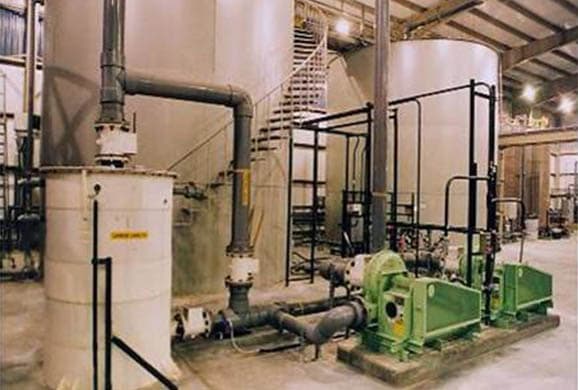
The original mission of the DEP's Applied Research Program was to determine the most appropriate technology to remove nitrogen from selected New York City WWTPs to meet future stringent nitrogen limits. This was accomplished via the dissemination of the Nitrogen Control Feasibility Plan in 1998, which identified Biological Nutrient Removal (BNR) as the backbone process technology for the City's Nitrogen Program. In the ensuing nine years, the Applied Research Program contributed to refining the current round of capital construction upgrades and conducting preliminary research into supplemental carbon strategies necessary to meet Consent Order commitments for 2016 and beyond.
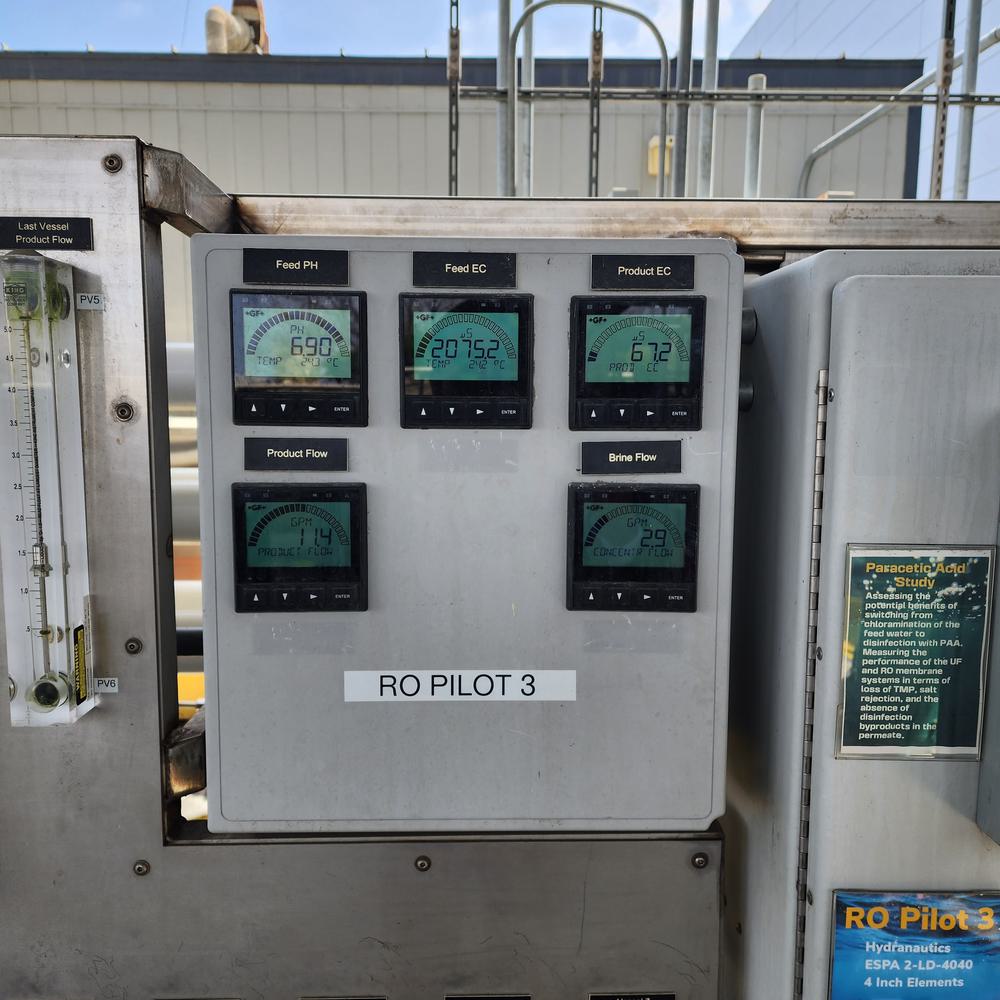
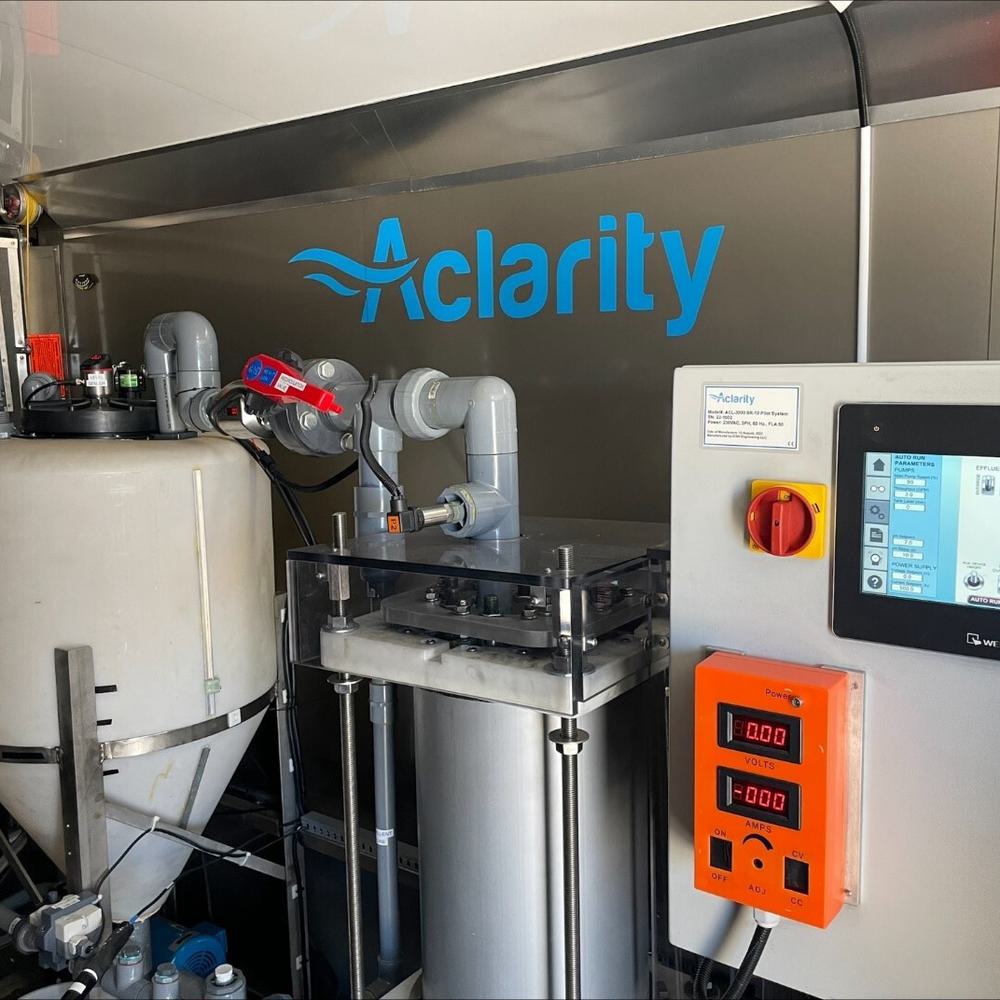
The Applied Research Program continues to evolve; pilot facilities that were previously used for basic research will now become applied research and demonstration-level testing facilities, focused on providing the DEP with the necessary tools to effectively implement BNR and operate the highly-dynamic treatment plants.
Achieving sustainable BNR operations involves:
- Simplifying operations through appropriate technology and training.
- Designing flexible, adaptable facilities to account for shifts in carbon availability, rising energy costs and other challenges.
- Establishing a framework for strengthening institutions within the Bureau of Wastewater Treatment, to facilitate continuous learning and research and development, including testing and evaluation of new, innovative technologies.
Leading the development of design guidelines, operations optimization, piloting of new technologies, and technology transfer, Hazen and Sawyer will enable the DEP to achieve sustainable BNR operations and full regulatory compliance within the expected deadlines.

Paul Pitt is a leading expert in wastewater treatment plant design and operation and serves as Hazen’s Director of Wastewater Technology, helping to establish the firm in California.
Related Solutions:
Project Outcomes and Benefits
- Appropriate technologies will be evaluated and selected through pilot and demonstration-level research and development.
- A protocol will be developed to evaluate new technologies that evaluates whether they should be tested, and establishes a practical research program to obtain useful data as to their effectiveness and feasibility.
- Successful technology transfer to DEP through hands-on experience at the pilot and demonstration facilities, supplemented by workshops led by industry experts.