Novel Clarifier CFD Modeling
Hazen helped increase capacity of trickling filter/activated sludge for the City of Salem.
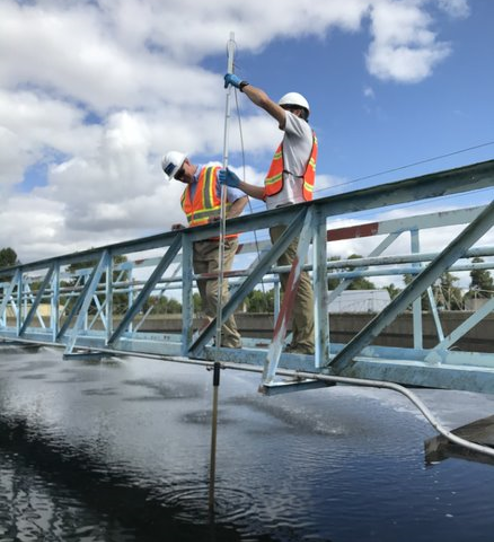
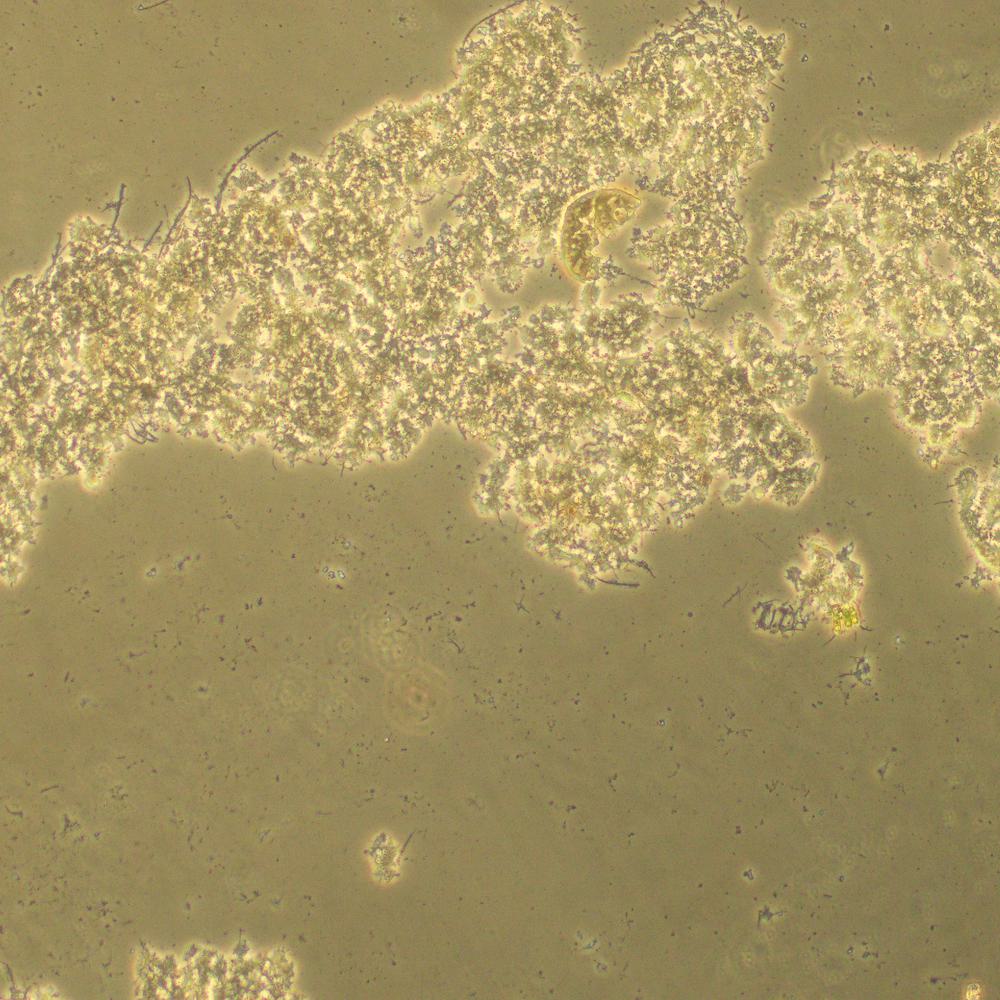
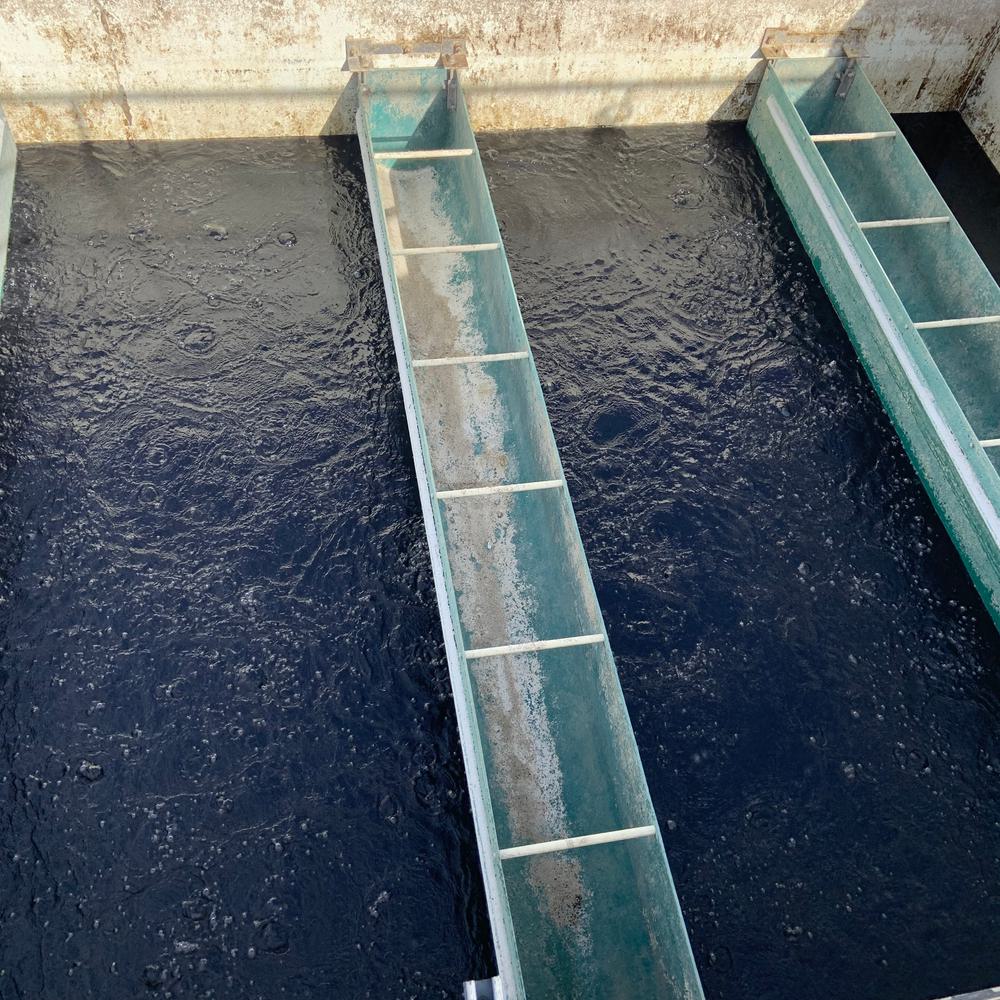
2Dc computational fluid dynamic (CFD) modeling, a quasi-three-dimensional clarifier model, of primary and secondary clarifiers is relatively common; however, most secondary clarifier modeling case studies are conducted with activated sludge. Trickling filter effluent has distinct properties compared to conventional activated sludge and typical raw wastewater. This project included a detailed study of settling and flocculation properties of trickling filter effluent and the application of customized secondary clarifier CFD modeling to determine overall clarifier capacity and identify optimization strategies.

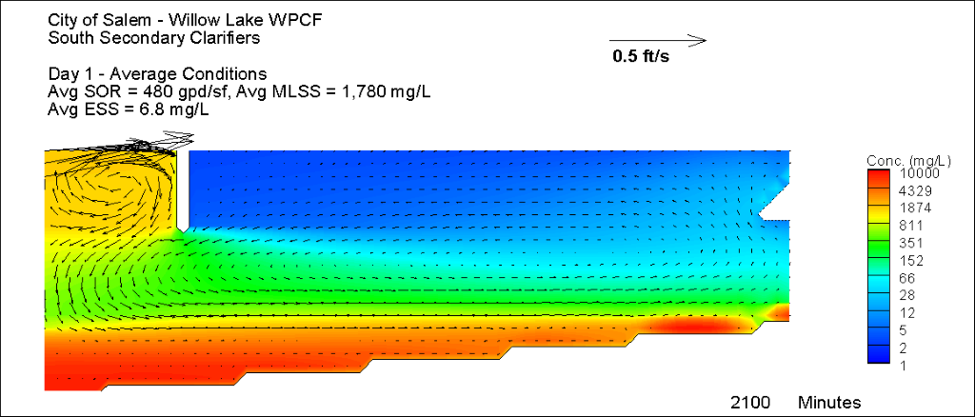
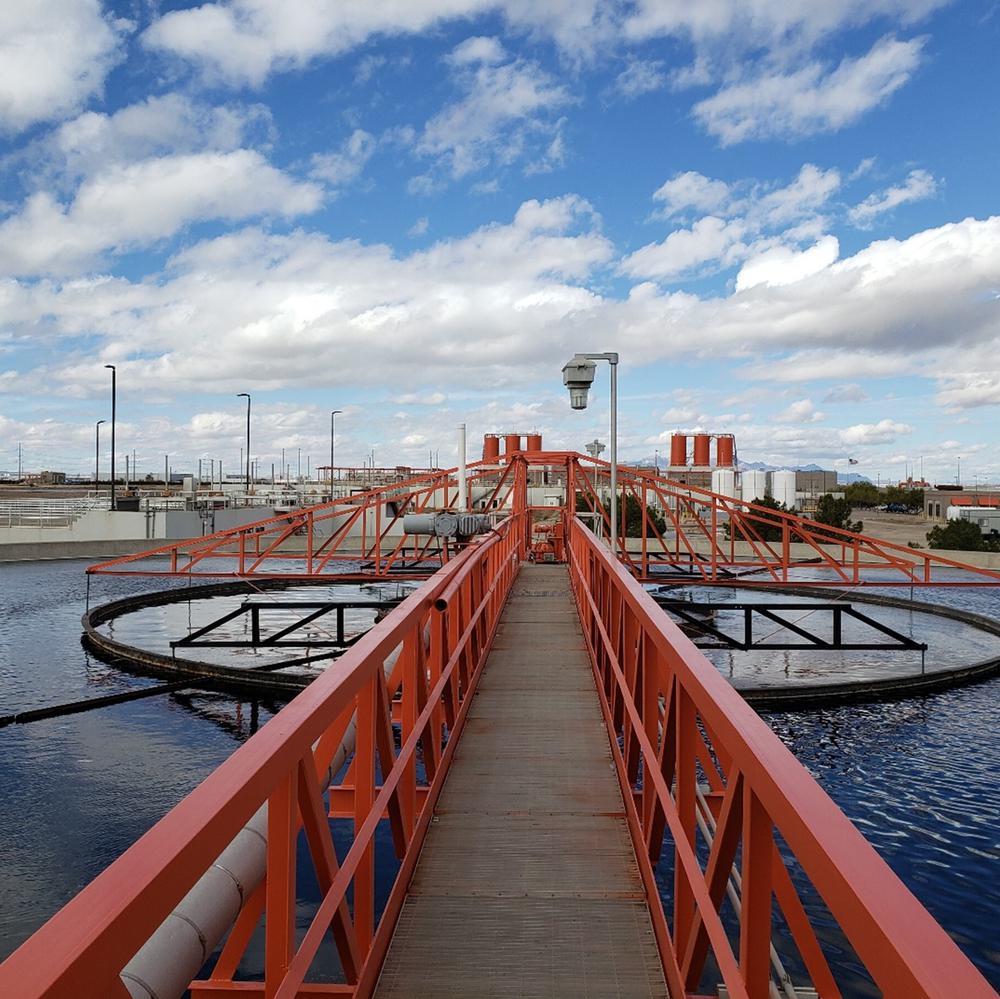
The City of Salem, OR, is the owner-operator of the Willow Lake Water Pollution Control Facility (WLWPCF), which has a permitted capacity of 35-mgd average dry and 155-mgd design peak wet weather flow. The secondary clarifiers at WLWPCF are located downstream of primary clarifiers and a combined trickling filter and activated sludge process. The WLWPCF's existing secondary clarifier mechanisms were approaching the end of their useful life and there were several elements of the clarifier tank geometry and mechanism features which differed from current industry standards. An additional challenge was the use and configuration of the North secondary clarifiers, which were only used as needed during wet weather to treat trickling filter effluent. The objective of this study was to determine what modifications to WLWPCF secondary clarifiers can improve performance during average and high flows and increase peak flow capacity.
Project Outcomes and Benefits
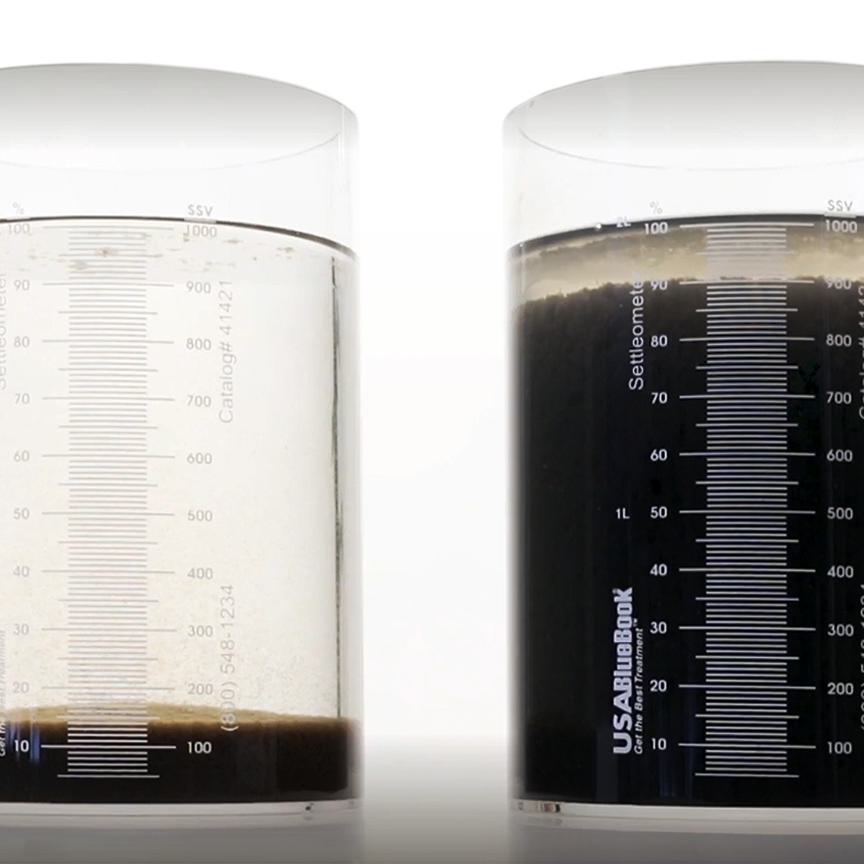
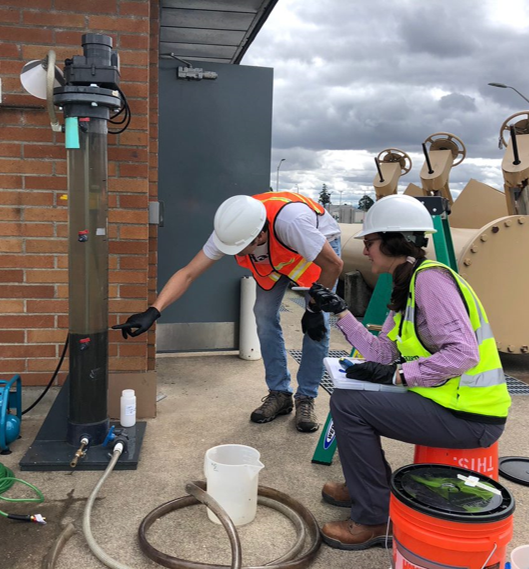
- A full process evaluation including clarifier stress testing, sludge zone settling tests, flocculation testing, and dispersed solids testing were conducted on site.
- The extensive field testing, executed in conjunction with WLWPCF staff, was used to develop CFD clarifier models.
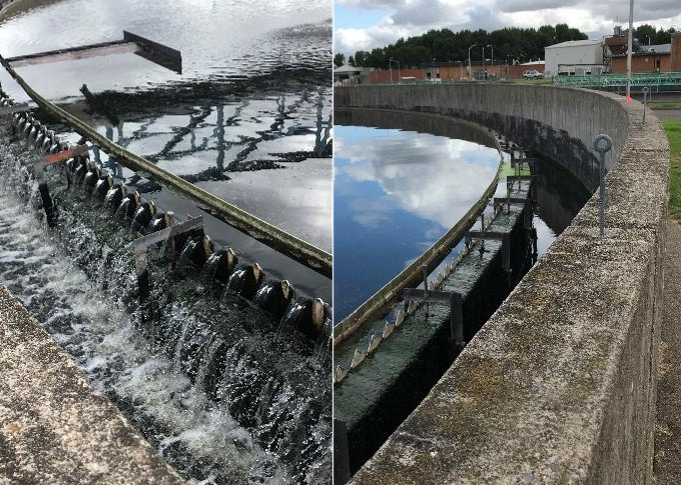
- Models revealed several opportunities for clarifier performance improvement including leveling the existing effluent weirs around the tank perimeter, installation of a larger center well for flocculation, addition of energy dissipating inlets, and mechanism replacement with up-to-date technology.
- These improvements were identified to potentially expand the combined clarifier peak flow capacity from approximately 105-mgd to over 140-mgd.