City of Raleigh Water Supply Development Program
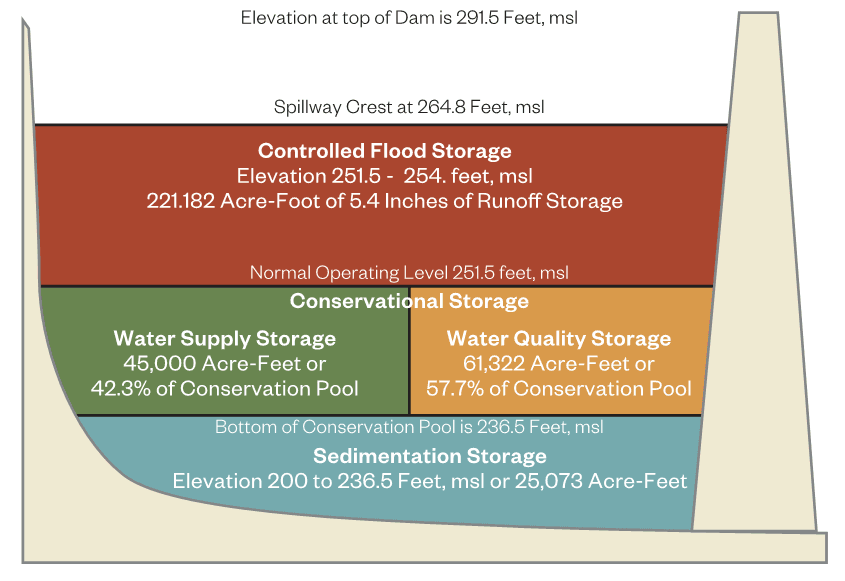
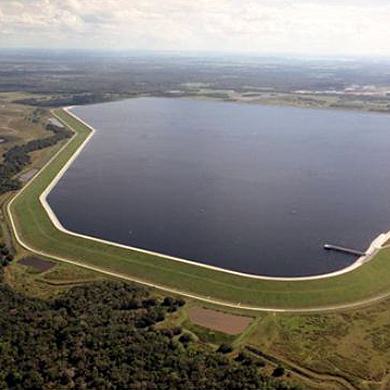
Falls Lake is the City of Raleigh’s main source of water. During the planning of this regional multi-purpose reservoir, completed in 1981, the City purchased the full 42% of conservation storage allocated by the U.S. Army Corps of Engineers (USACE) to water supply. The remaining 58% was allocated to water quality to maintain minimum downstream releases in the Neuse River.
Through extensive evaluations, Hazen identified reallocation as the most favorable alternative, avoiding major impacts associated with constructing a new reservoir including: environmental impacts (573 acres of wetlands, 38,000 feet of streams); social impacts (homes, 1,150 acres of land and roads condemned); and economic impacts ($359 M) impacts.
Detailed Neuse River basin modeling performed by Hazen was the key to this “discovery.” Because the original Falls Lake Management Plan was static, it had failed to account for the City’s increasing treated waste-water return to the Neuse River, causing the water quality pool to accrue a growing surplus. Hazen is providing continuing active support to the City in their request to the federal government, through the USACE, for the reallocation of approximately 17,300 acre feet of storage from the Falls Lake water quality pool to the water supply pool. If approved, this reallocation will provide an additional 22 mgd of supply for the City.

Project Outcomes and Benefits
- Hazen identified and developed a successful alternative to the proposed construction of a new reservoir for the City of Raleigh, avoiding major environmental, social, and economic impacts.
- Hazen is continuing to support the City through the reallocation request process.