Biosolids Study and Testing in China
Our Work
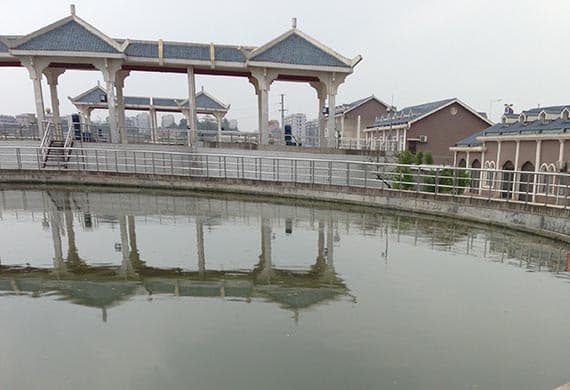
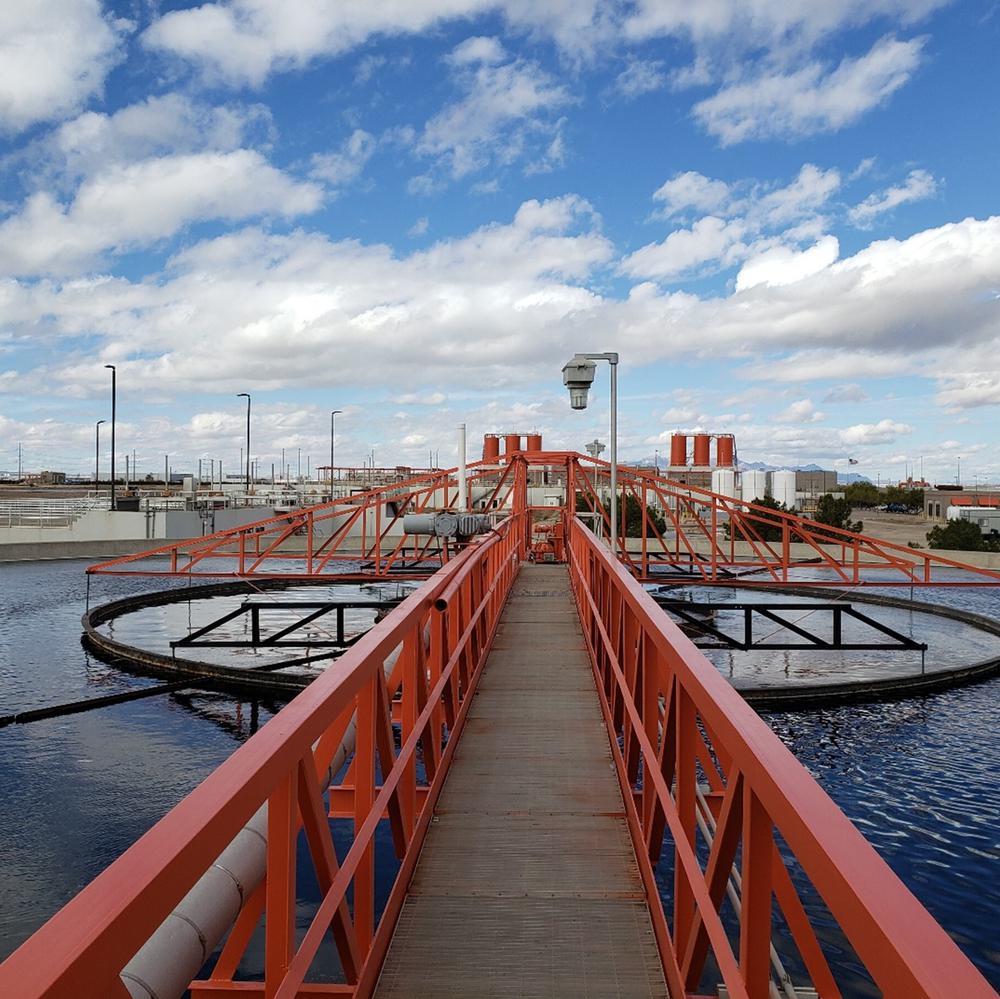
Currently, the wastewater influent first is filtered through coarse mechanical screens, then fine mechanical screens. After the screening processes, the wastewater goes through a grit removal process, and then it is treated by a biological process through two oxidation ditches with blowers and diffusers. The mixed liquor is discharged to four secondary clarifiers. The wastewater effluent is disinfected with chlorine in a contact basin before it is discharged into the Xiang River. The wasted activated sludge is dewatered by a total of three centrifuges. Polymer is added as the dewatering aid. The average cake solids content is approximately 20%, which is disposed in landfills.

Michael Wang serves as Hazen’s Hydraulic Modeling Group Leader, and he specializes in computer modeling and hydraulic design and analysis of water and wastewater treatment facilities.
Related Solutions:
Project Outcomes and Benefits
- Providing biosolids study and testing services
- Evaluating historical biosolids treatment performance
- Selecting potential treatment methods
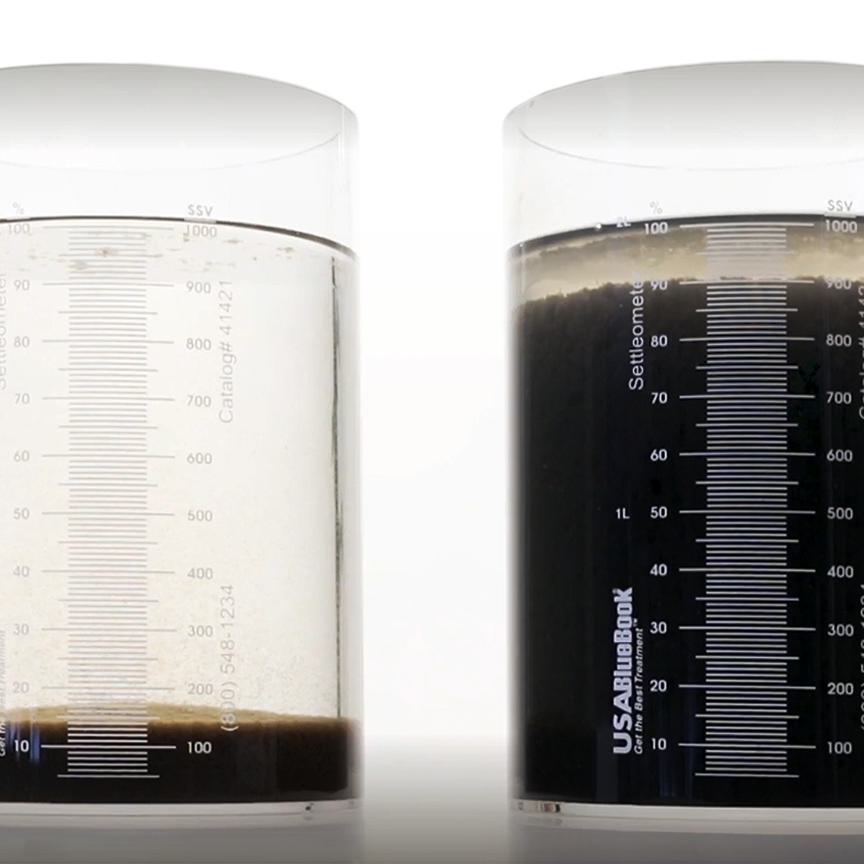
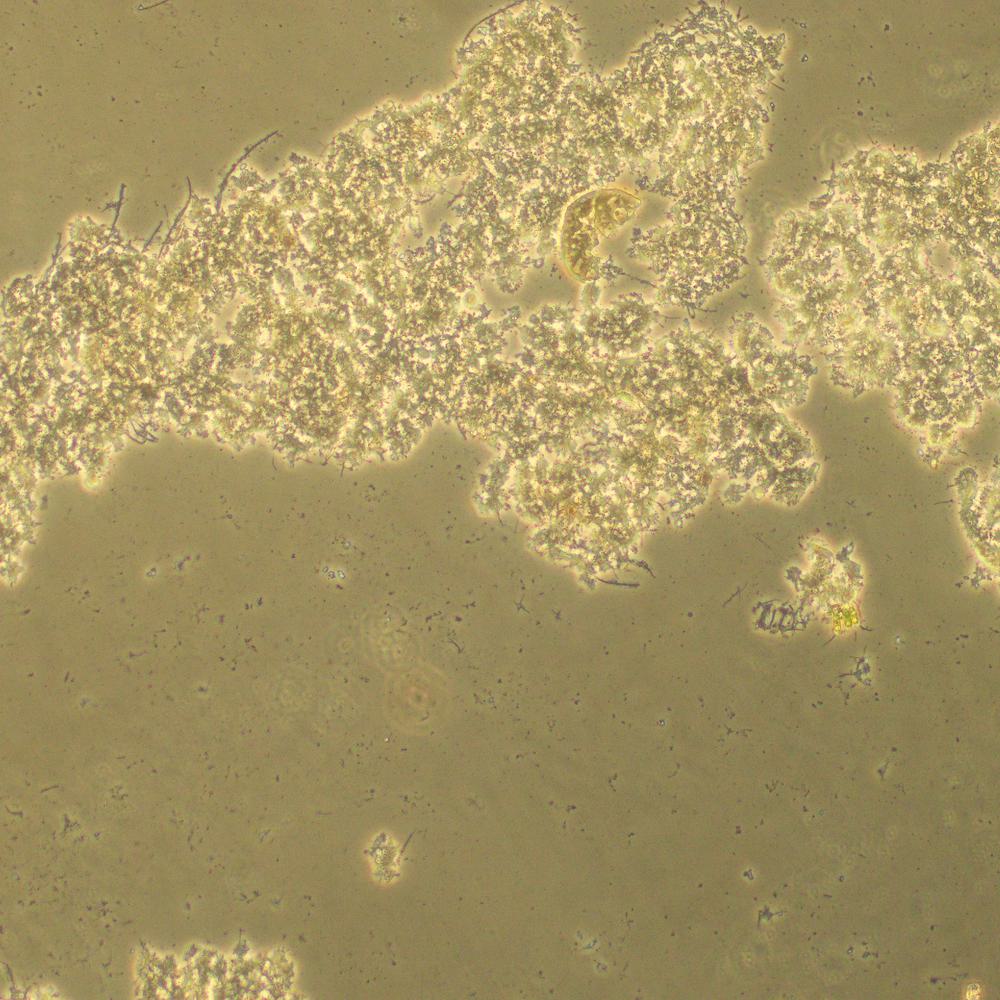
- Testing potential biosolids treatment methods