Full-Scale Evaluation of Critical Control Points and Monitors at a Reuse Facility

This study applied the HACCP methodology to identify and assess the reliability of critical control points and critical monitors to manage acute and chronic health risks in potable reuse treatment trains.
(TEMPE, AZ - October 19, 2020) - Several Hazen staffers have co-authored an article titled "Full-Scale Evaluation of Critical Control Points and Monitors at a Reuse Facility" in the latest edition of AWWA Water Science.
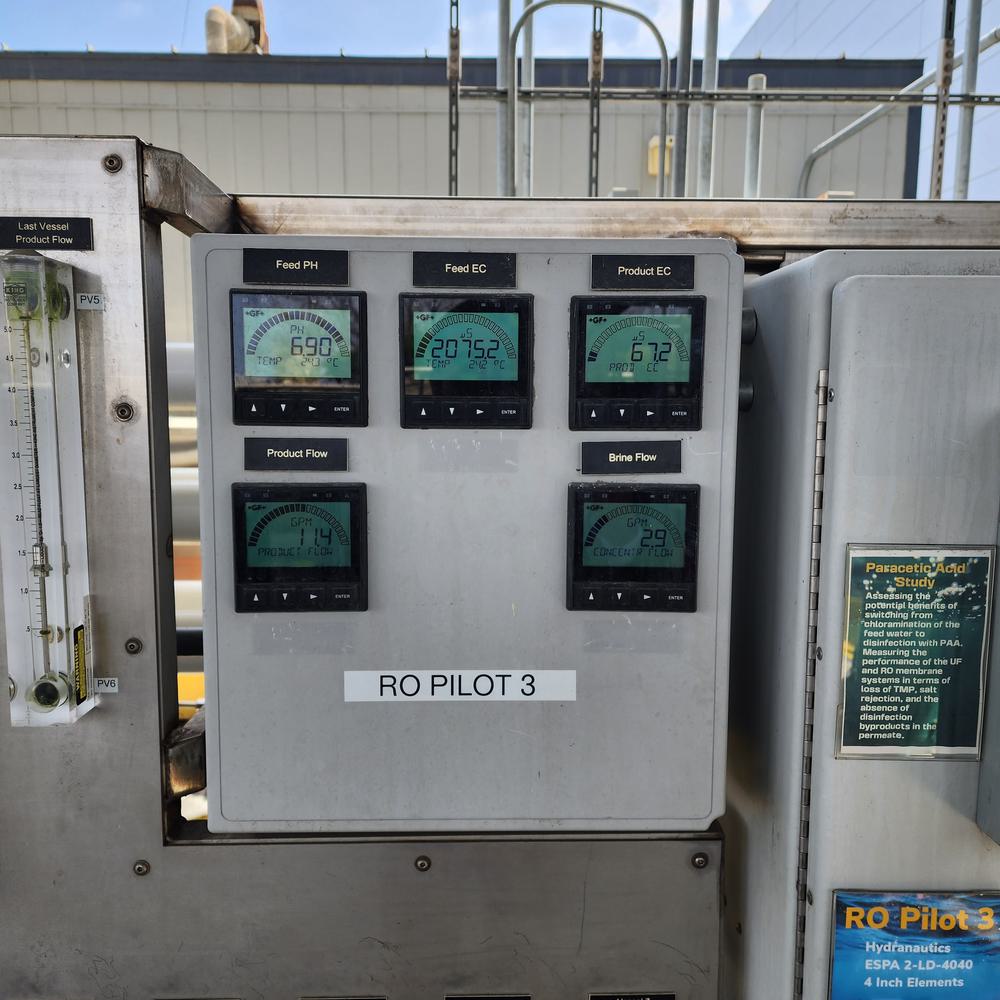
The hazard analysis and critical control point (HACCP) process is being widely adopted as a design, control, and operational methodology to maintain the reliability of delivering water quality that is safe for public health. This study applied the HACCP methodology to identify and assess the reliability of critical control points and critical monitors to manage acute and chronic health risks in potable reuse treatment trains. Specifically, a failure analysis was performed for full-scale ultrafiltration and reverse osmosis critical control points to determine the reliability of critical monitors and their associated impacts on finished water quality.
The results supported the use of ultrafiltration and reverse osmosis membranes as critical control points in potable reuse and identified the sensitivities of both current and emerging critical monitoring parameters, including turbidity, total organic carbon, ultraviolet absorbance at 254 nm, conductivity, fluorescence, calcium, sulfate, sucralose, and pressure decay tests.
For more information, please contact the lead author Troy Walker. The full article is available on the AWWA Water Science website.