Climate Change: How Does Weather Affect Surface Water Quality?
Last Modified Jul 06, 2022
Understanding the Problems, Finding Solutions
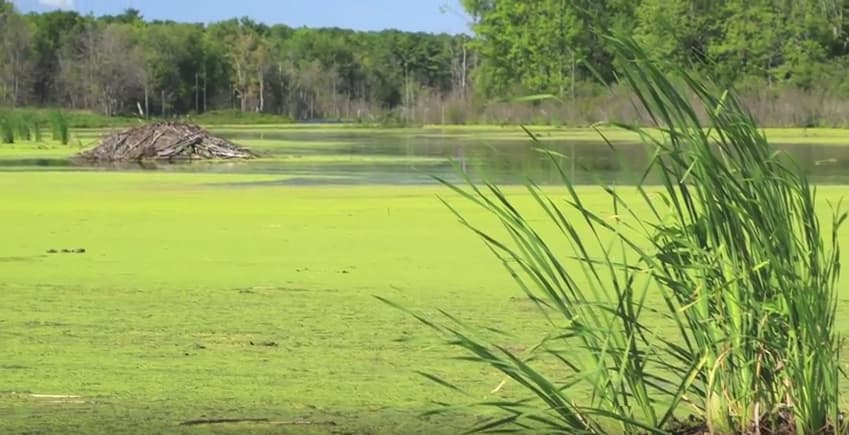
Climate change will affect water supplies and water quality in communities around the world, resulting in a range of potential problems, including excessive algae growth, which is a major cause of taste-and-odor problems.
Water utilities across the United States are seeking solutions to a broad range of possible climate change impacts and an uncertain future. The Water Research Foundation has identified a lack of specific information about how changing weather patterns affect drinking water quality. Numerous reports generically describe how climate change is expected to affect water quality, but utilities need a comprehensive resource that ties predicted weather changes to watershed processes that affect drinking water quality.
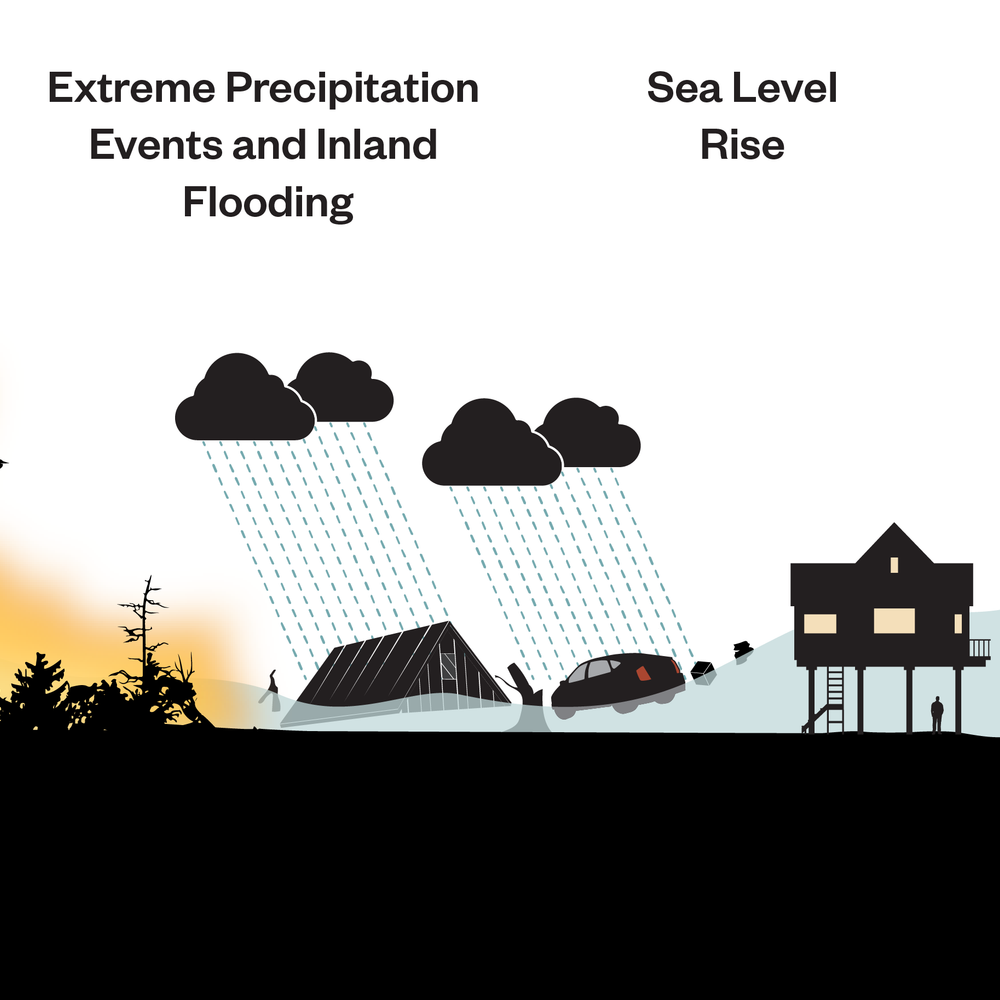
This article provides information compiled from published literature on weather and water quality to help utilities develop a series of event–outcome relationships to describe specific changes to surface water quality relative to climate change (Figure 1, page 12). Climate change is expected to affect water supplies in various ways, but the fundamental elements of climate and weather will remain the same. Of the fundamental components of weather - temperature, precipitation, wind, solar radiation, humidity, air pressure, and cloud cover - temperature, precipitation, and wind are the primary factors affecting surface water quality. These components are expected to vary substantially with climate change.
For the full article, click here.