Stormwater

Dr. Matthew Jones is Hazen’s Stormwater Practice Group Leader and a national expert in the full lifecycle of stormwater management.
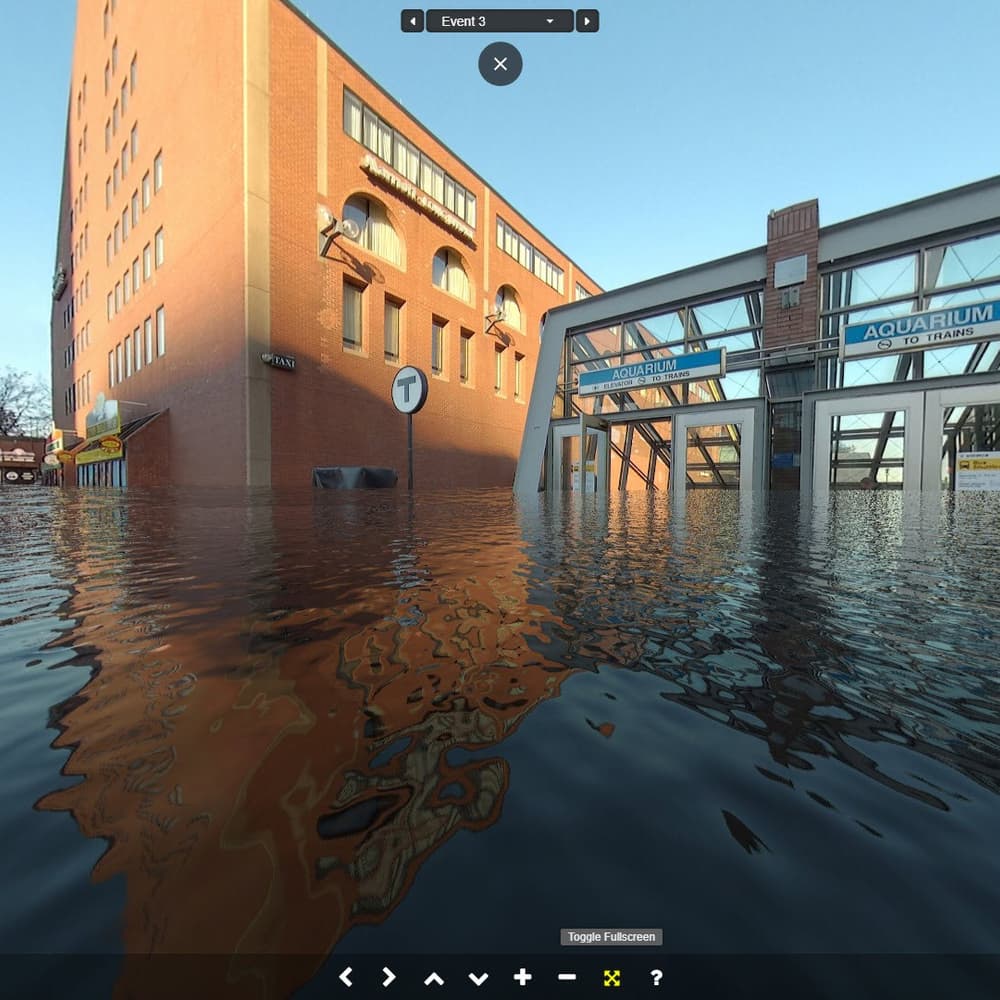
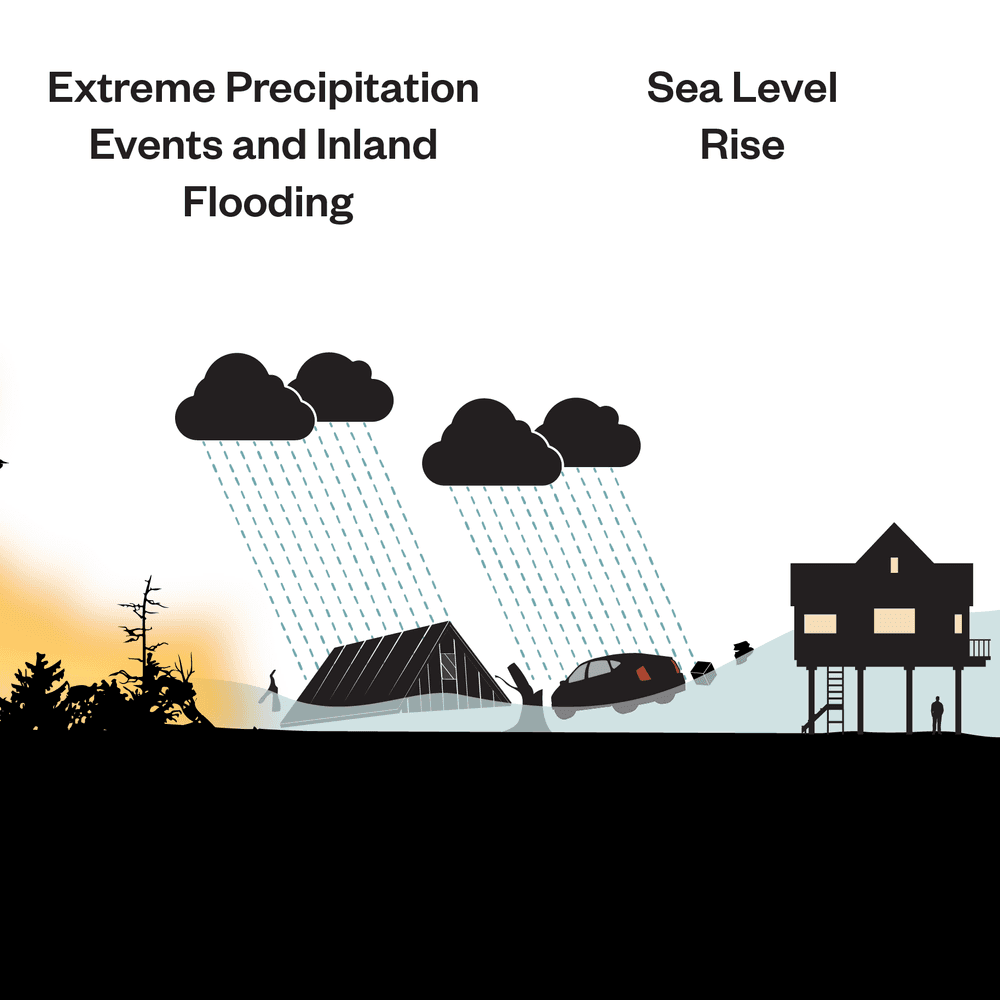
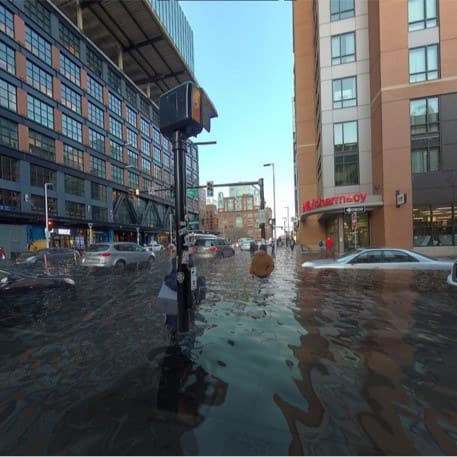
With growing water quality and flooding concerns–combined with evolving regulations, development pressures, and climate change increasing the frequency and severity of extreme weather events–it has never been more important to effectively control, convey, and treat stormwater. Stormwater management benefits entire watersheds by alleviating flooding, reducing pollution, preserving ecosystems, and protecting water supplies.

Comprehensive Stormwater Solutions
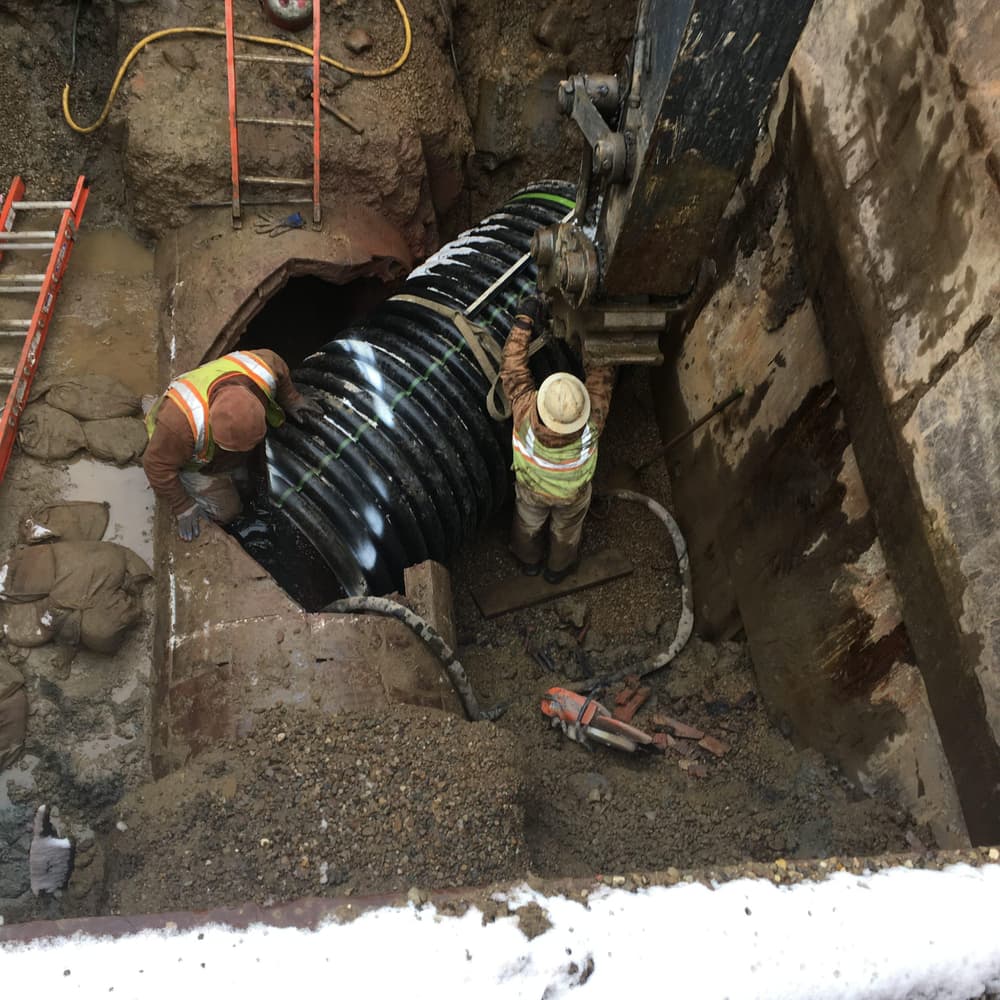
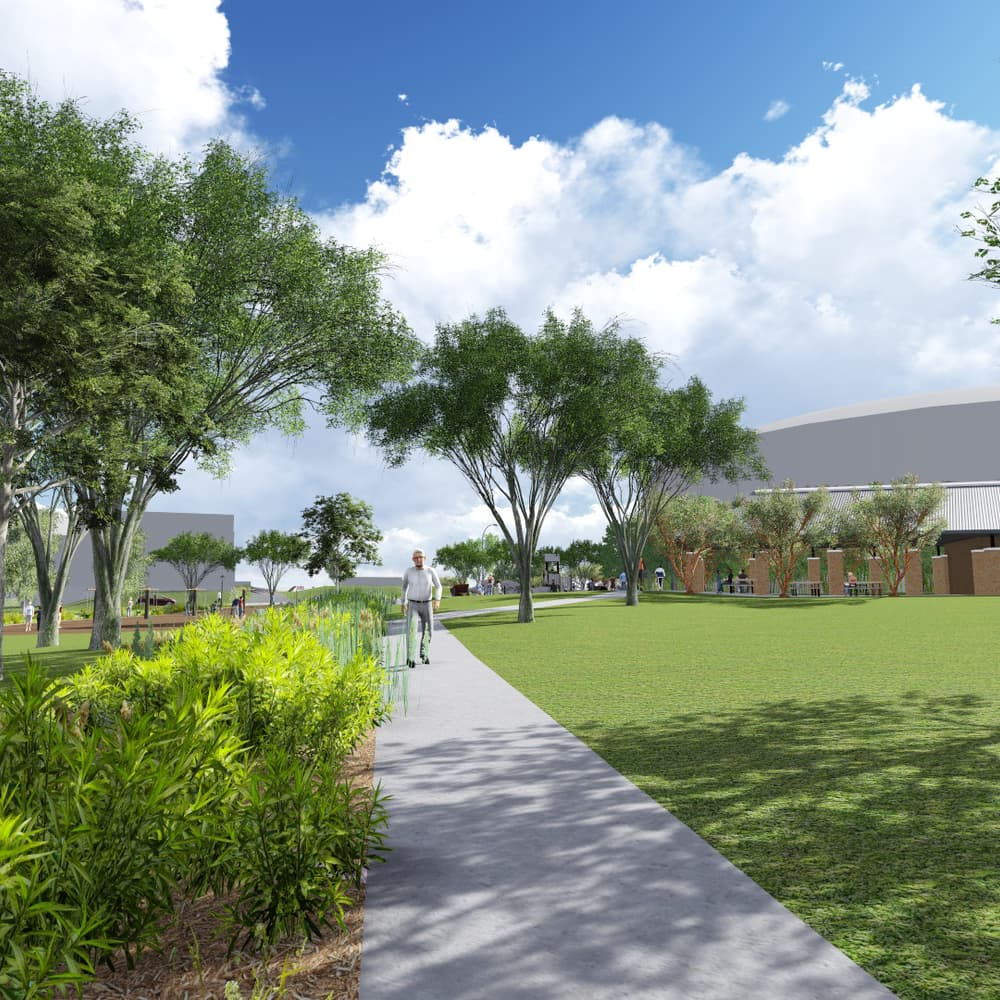
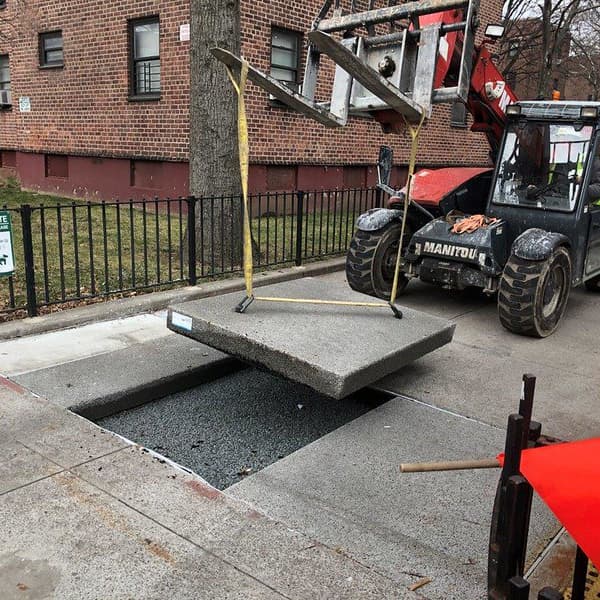
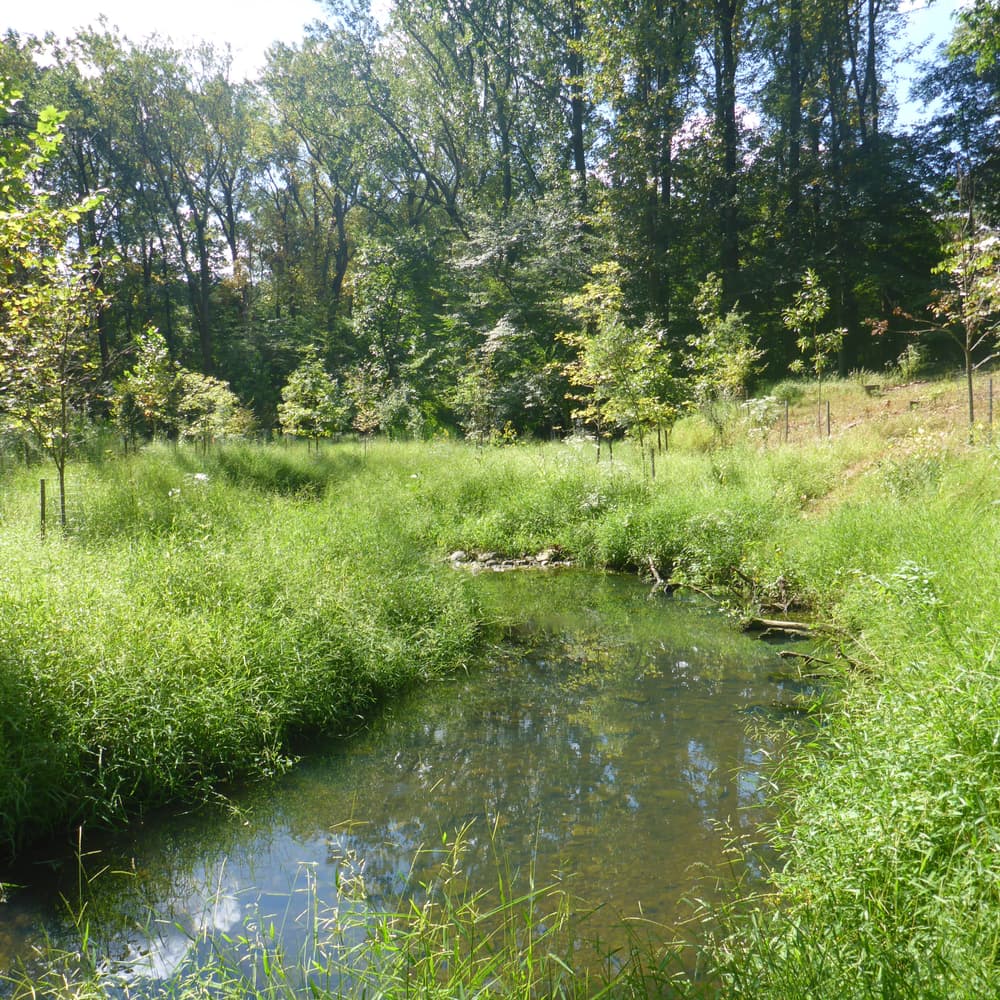
Hazen offers expertise across the full spectrum of stormwater management needs, from robust stormwater conveyance design to the latest in green infrastructure and climate resiliency. We offer sustainable, watershed-based approaches to stormwater management. Our stormwater staff is at the forefront of the development and use of Best Management Practices (BMPs), leveraging the power of natural processes to solve engineering challenges. We’ve also been a pioneer in Low Impact Development and Better Site Design practices.
Effective stormwater control benefits public health, economic well-being, and the environment. Planning for stormwater control today will ensure your community is more resilient tomorrow.
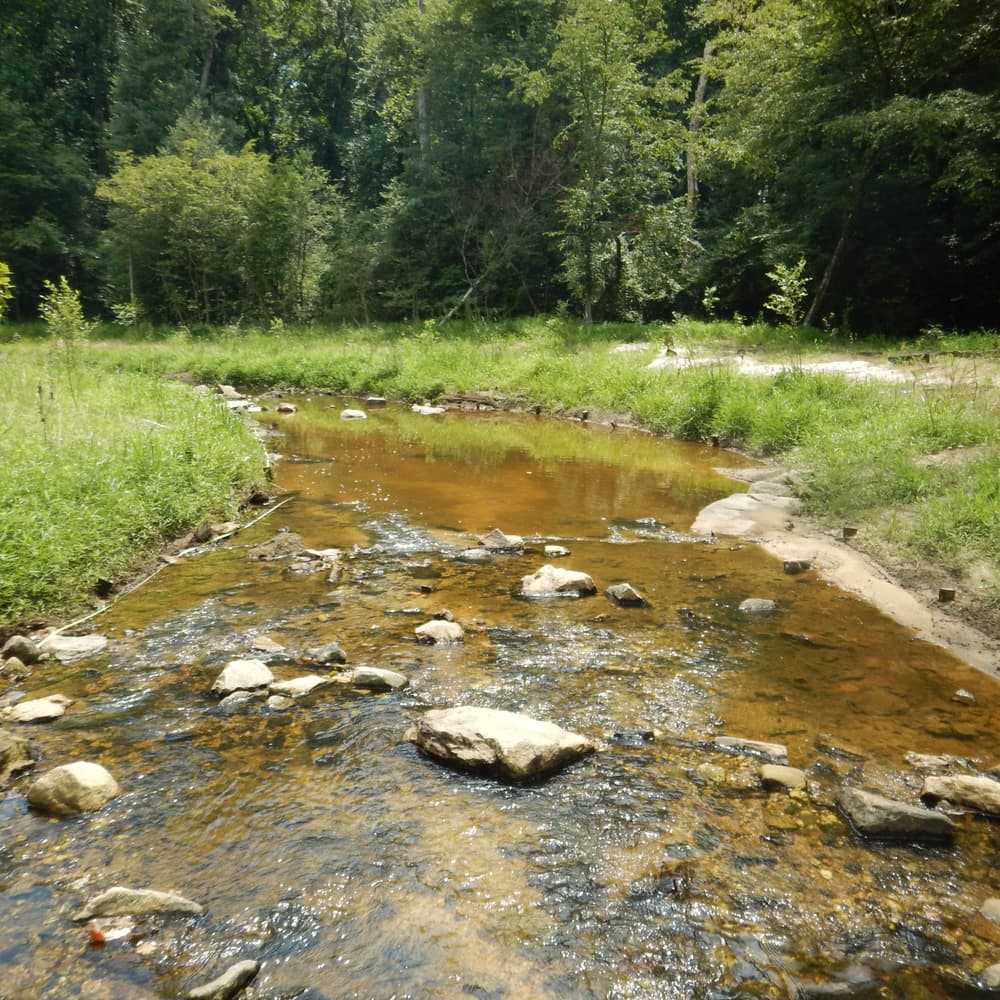
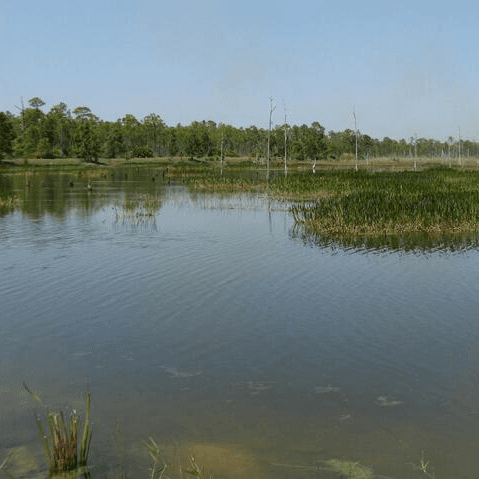
This more sustainable approach minimizes stormwater conveyance, maximizes upstream infiltration and treatment, and uses natural features to move water and enhance aesthetics. Our focus on the interface of natural features and engineered structures improves drainage, road and infrastructure, and collection and treatment system interaction. This method vastly reduces construction and maintenance costs, can recharge groundwater aquifers and restore wetlands, and withstands intense storm events better than conventional infrastructure alone.
Our Work
We put stormwater management to work for you to increase the effectiveness of design infrastructure, lower costs, and improve water quality ̶ laying the groundwork for a smarter, more sustainable future for your community.